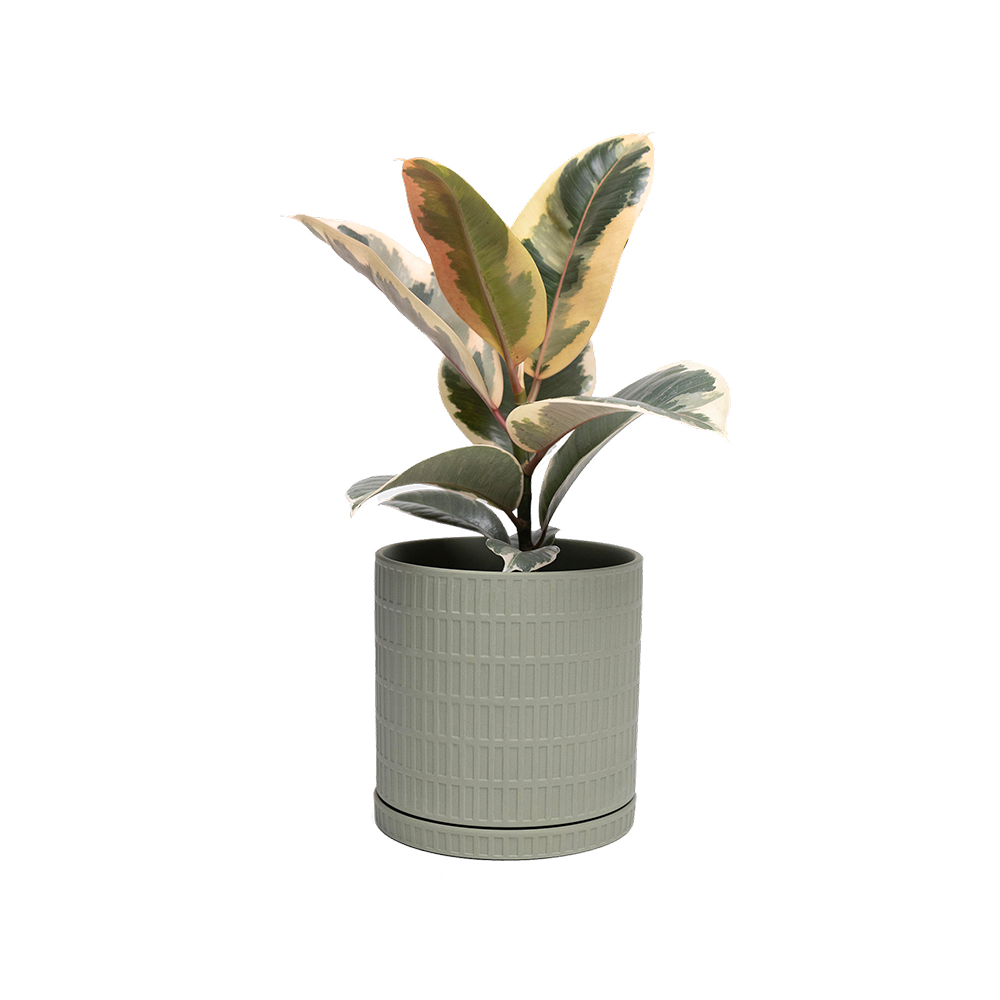
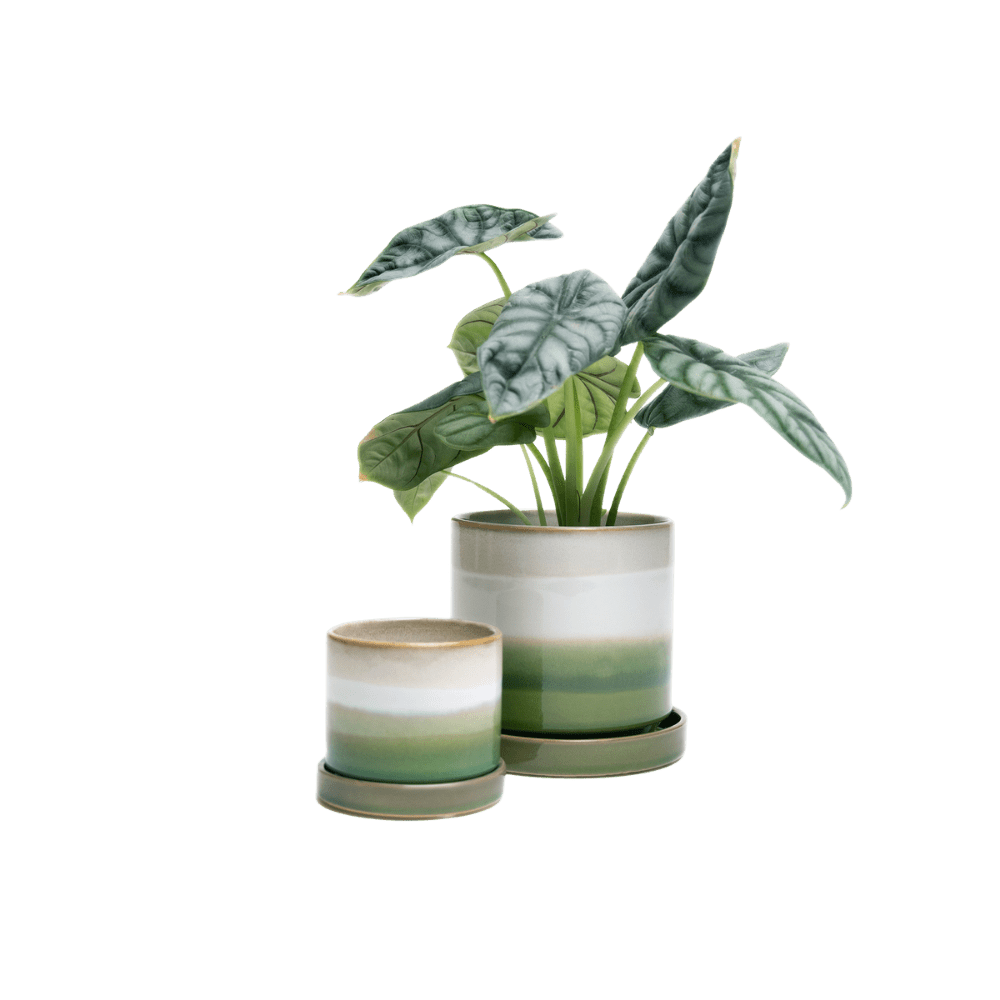
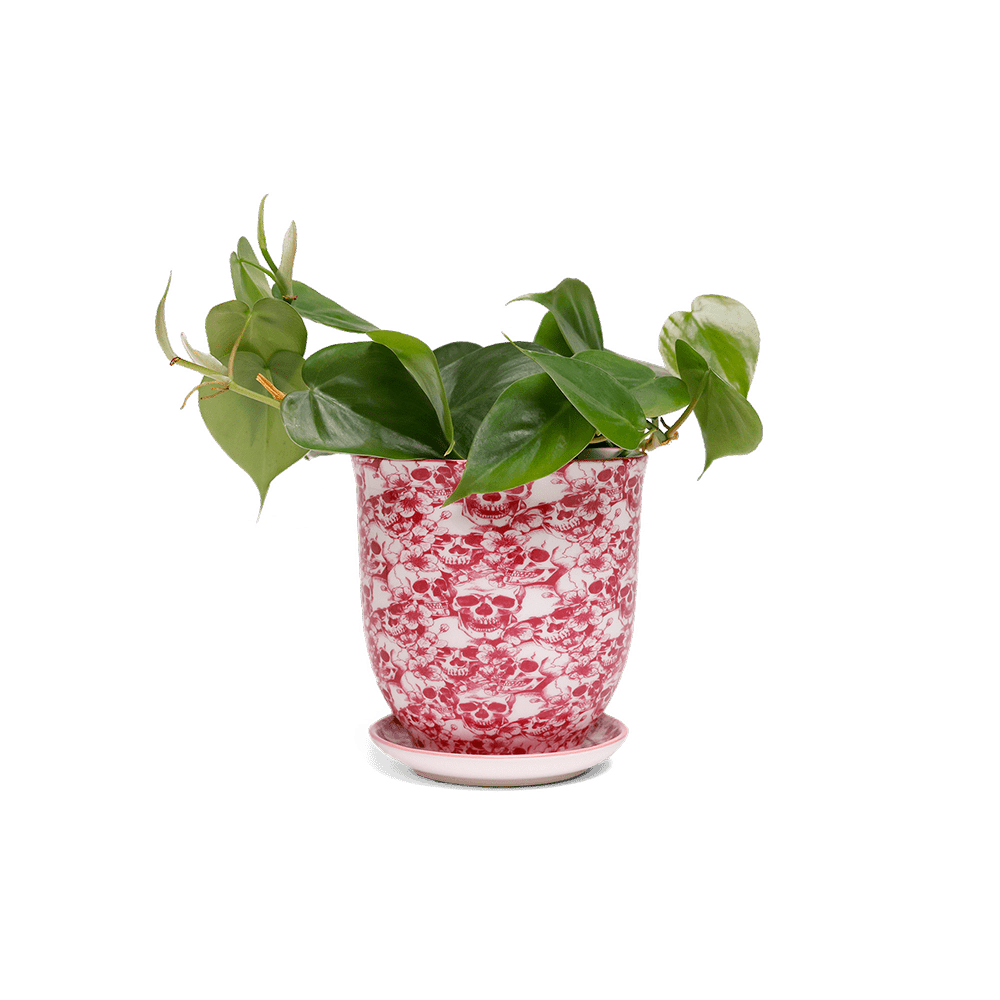
Weave Ceramic Flower Vase

Regular price $5.89
Fully Glazed
Dishwasher safe cleaning

Build Your Effortless Arrangements With These:

Choose a vase as your anchor, then round out the shelf with these for that thrown-together-but-somehow-perfect look.


The Weave vase is a ceramic vessel whose surface carries a full basket weave in relief, pressed and carved convincingly enough that people touch it to check. It dates to 2011 and the studio's metallic-glaze period, when this design peaked at twenty-three shades of silver because nobody wanted to be the one to say stop. Nobody could tell shade fourteen from shade nineteen either. The era ended; the vase outlived it, now finished in a warm brown that lets the texture carry the argument. A woven texture vase belongs where smooth ceramic disappears — open shelving, bright windows, anywhere raking light can catch the lattice and throw small shadows across it. As a basket weave vase it flatters loose, informal stems: garden roses, poppies, whatever refuses to stand up straight. Fill it or leave it standing empty; the surface holds the room either way. Shaped by hand, one over-under at a time.

Product detail
  • Vase Type:
  • Material: Ceramic
  • Glaze finish: Glazed
  • Water Resistance: Watertight
  • Year Designed: 2011
Dimension
  • 2 inches long, 2 inches wide, 4.5 inches tall
Vase Care Instructions

Every ceramic vase in this collection is dishwasher safe on the top rack, making cleanup between arrangements as simple as loading it in with the rest of the dishes. The glazed surface holds up fine to regular washing, so there's no need to hand-wash unless you'd prefer to.

If you're cleaning a piece with painted or sculpted detail, a gentler cycle or a quick hand-wash with warm water and mild soap will help keep the finish looking sharp for longer. Either way, rinse and dry after each use — especially if flower food or cut-stem residue was in the water — so nothing lingers and clouds the glaze.

No special sealants, no periodic maintenance. Wash it, dry it, put flowers back in it.

Flowers that Love this Vase

Quick Guide to Building a Floral Arrangement

  1. Pick your vase first
  2. Start with your anchor flower.
  3. Build in odd numbers.
  4. Add height, then fill.
  5. Greenery does the quiet work.
  6. Cut stems at an angle, underwater if you can.
  7. Step back before you decide it's done.

Weave Ceramic Flower Vase - Chive US Wholesale

The fossil of a silver era — The Weave

Twenty-three silver shades is not a number anyone plans. It accumulates, one reasonable decision at a time, until a shelf audit reveals what has happened and a meeting gets called. The Weave was the centerpiece of the studio's metallic years, and when that period closed, the question was what deserved to survive it. The answer was the texture. The over-under pattern is worked into the clay itself, not painted on, which means the piece keeps its argument even when the finish changes entirely — and it has, from mirror silvers to the current warm chestnut, without losing a step. Raking light is where it earns its keep: morning sun across the lattice throws a grid of small shadows that shifts through the day, so the vase reads differently at breakfast than it does at six. The studio considers this a feature you cannot photograph properly, and has stopped trying. Woven baskets have carried flowers for as long as anyone has cut them; translating that logic into fired ceramic just removes the part where the basket leaks. What remains is an old idea holding water. Trends produced it, outlasted their welcome, and left. The texture stayed, and the texture was always the point.

A (Mostly) Simple Guide to Cutting Your Flowers

So, you’re making an arrangement? Let’s ensure it lives long enough to impress someone—even if it's just you.

  1. Scrub the Scissors: Wash your shears first. Your flowers do not want a side of Dorito dust.
  2. Cut at 45°: Snip stems at an angle. It gives them a straw instead of making them chug from the bottle.
  3. Trim Underwater (Fancy Mode): Cut them submerged to block air bubbles. It’s extra, but they didn’t ask to suffocate.
  4. Ditch Submerged Leaves: Strip anything below the waterline. Unless you are actively going for a swamp aesthetic.
  5. Snip Again if Stale: If they sat out on the counter, trim them again. They need a fresh start (don’t we all?).
  6. Swap the Water: Change it and trim the stems every few days so they don't die immediately.

Voilà! You are now a domestic deity. Go take your Instagram photo before you forget to water them.

Pro Tip: Keep It Short and Sweet!

When it comes to flower stems, shorter is better. Not only do shorter stems look chic in arrangements, but they also help your blooms last longer. Why? Because the shorter the stem, the less distance water has to travel to keep those petals perky. It’s like giving your flowers a shorter commute—less stress, fewer breakdowns.

Perfect Pairs for Any Shelf
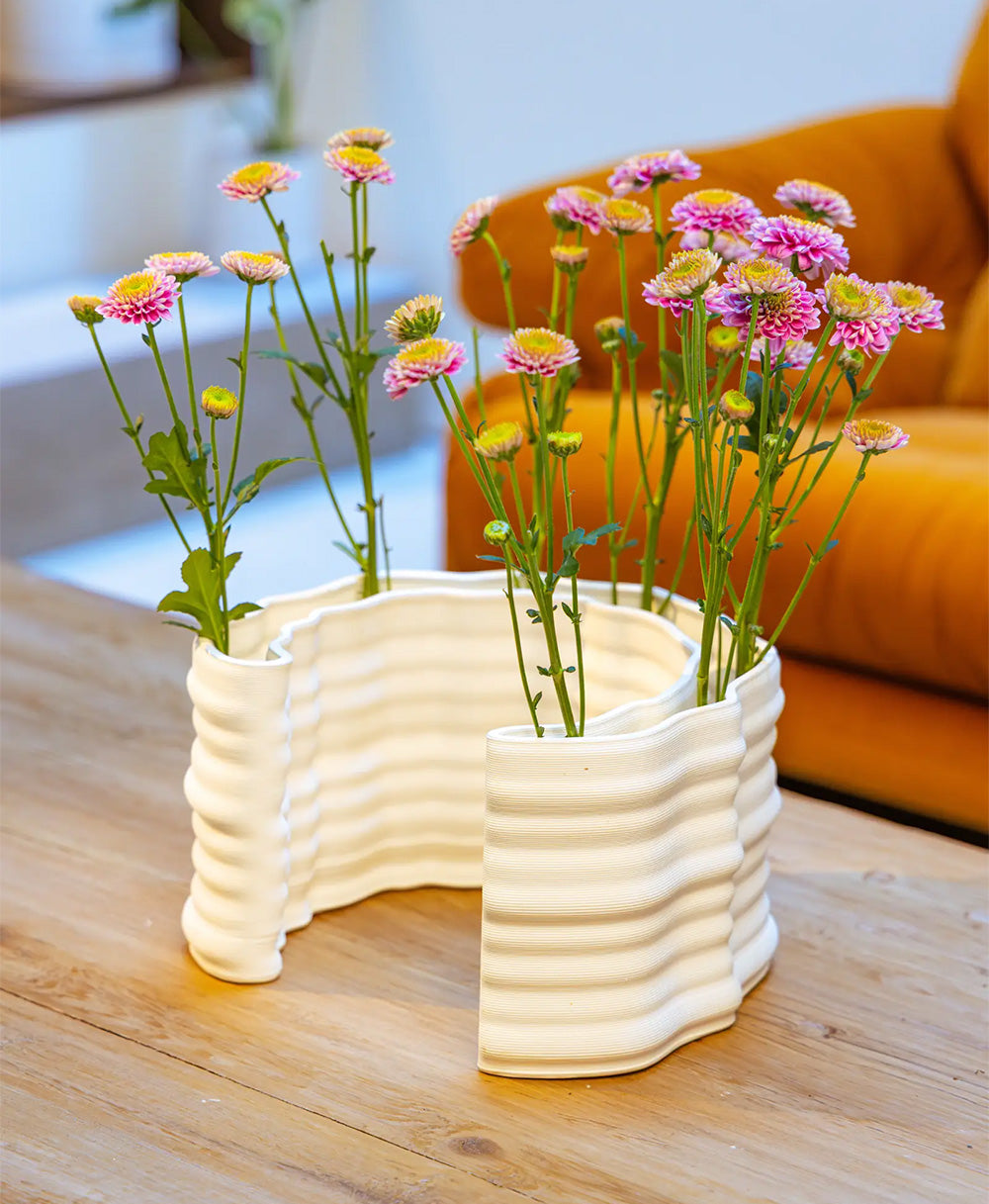
3D Ceramic Drip Vase

The ceramic vases at Chive come out of the same studio habit that produced everything else here: design the object once, correctly, then resist every opportunity to complicate it. Each one holds stems. None of them holds back. The Weave puts the habit into the clay's own surface. To watch it handed to a machine and returned in ripples, the 3D Ceramic Drip Vase is the demonstration.

The Ceramic Vases Collection

Every Chive vase is built around one decision about how flowers should stand, then finished by hand until that decision reads as obvious. For the Weave, the decision was texture: an over-under lattice worked into the clay, so raking light throws a grid of little shadows that changes hour to hour. Smooth rooms need one rough sentence somewhere. This is the one the studio recommends. Meet the rest of the Ceramic Vases.

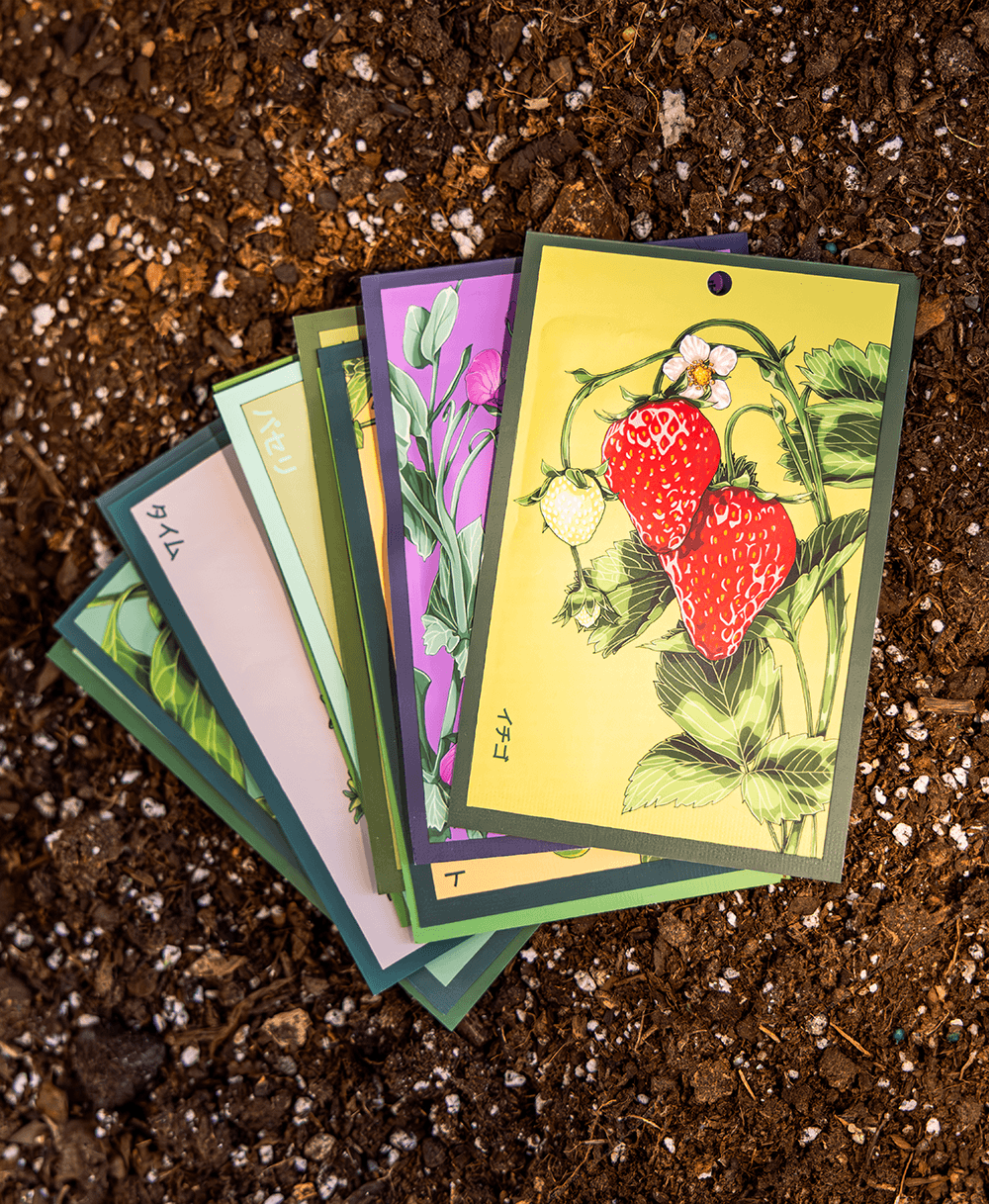
Set of Chive Shido Seeds packets with fruit and flower illustrations on a soil background.

Sweet Purple Tomatillo Seeds

A basket weave vase and a packet of Sweet Purple Tomatillo Seeds belong to the same argument: things built to hold food and flowers should be honest about their work. The tomatillos go in the garden, the harvest goes in a real basket, and the Weave holds whatever bloomed alongside the vegetables. Texture on the shelf, husks in the kitchen. Everybody works.


Chive Studio at Chelsea Flower Show displaying ceramic pooley vases of different colors.

Chive has watched a fair number of trends arrive since 2004, and has outlived each of them by the same method: designing objects to a longer clock. A finish can belong to a moment — the studio has had its enthusiasms, and owns them — but a form has to belong to the decades on either side. So every design gets tested against an unfair question: will this still make sense in a room twenty years from now, held by someone who never saw the trend that produced it? Pieces that pass stay in the catalog through changing glazes, changing tastes, and changing everything else. Pieces that fail teach something and retire. The catalog is small because the question is hard. That is the arrangement.


Inside the Chive Design Studio

Low maintenance, high impact. Let's make home styling look easy.


Frequently asked questions

Behind the Studio

The story behind the Chive astronaut vases

The story of Laika, Félicette, a solar eclipse in New York, and a space bar that ordered a hundred vases a month until it closed.