Parisian Carrot Vegetable Seeds Packet

SKU: SEPACA

Pre-order · Shipping January 10, 2027
Regular price $2.35

2025 Seed Prices

  • Order 1-95 assorted packets for $2.35 each
  • Order 96-499 assorted packets for $1.85 each
  • Order 500 or more assorted packets for $1.65 each
Vacuum Sealed
NON-GMO
Seed Pack Guarantee

Build Your Garden With These Shido Seeds

Choose a seed packet as your starting point, then round out the bed with these for that thrown-together-but-somehow-perfect harvest.


Barcode: 843458169857

Seed specifications
  • Material: Seed
  • Botanical name: Daucus carota subsp. sativus
  • Genus: Daucus
  • Plant family: Apiaceae
  • Species: Carota
  • Plant type: Biennial grown as annual
  • Pollination type: Vegetable
  • USDA Hardiness Zones: 3-10
  • Packet contents: ≈ 100 Seeds
  • Packaging: Hermetically vacuum-sealed
  • Non-GMO: Yes
  • Seed viability: Up to 10 years (sealed) / 4–5 years (unsealed, ideal conditions)
  • Difficulty: Easy - Beginner Friendly
Sowing & growing guide

Quick Sowing Guide:

  • When to sow: Direct sow 2-3 wks before last frost; succession sow every 3 wks
  • Sowing depth: 1/4 in
  • Initial spacing: 2-3 in
  • Row spacing: 10-12 in
  • Days to germination: 14-21 days
  • Light: Full sun
  • Water: Consistent moisture
  • Soil: Loose, well-drained; tolerates heavy or shallow soil, pH 6.0–6.8
  • Harvest: 50-60 days

Start Growing: Step-by-step sowing and growing guide

About vacuum sealing

Why Vacuum-Sealed Seeds Last Longer

Standard paper seed packets are permeable to oxygen and moisture -- the two primary causes of seed degradation. Most paper-packaged seeds begin losing germination viability after approximately one year, contributing to significant garden-industry waste: packets purchased, not planted, expired, discarded. Shido Seeds are hermetically vacuum-sealed. The packet does not expire quietly in a drawer. It waits.

About the Packaging

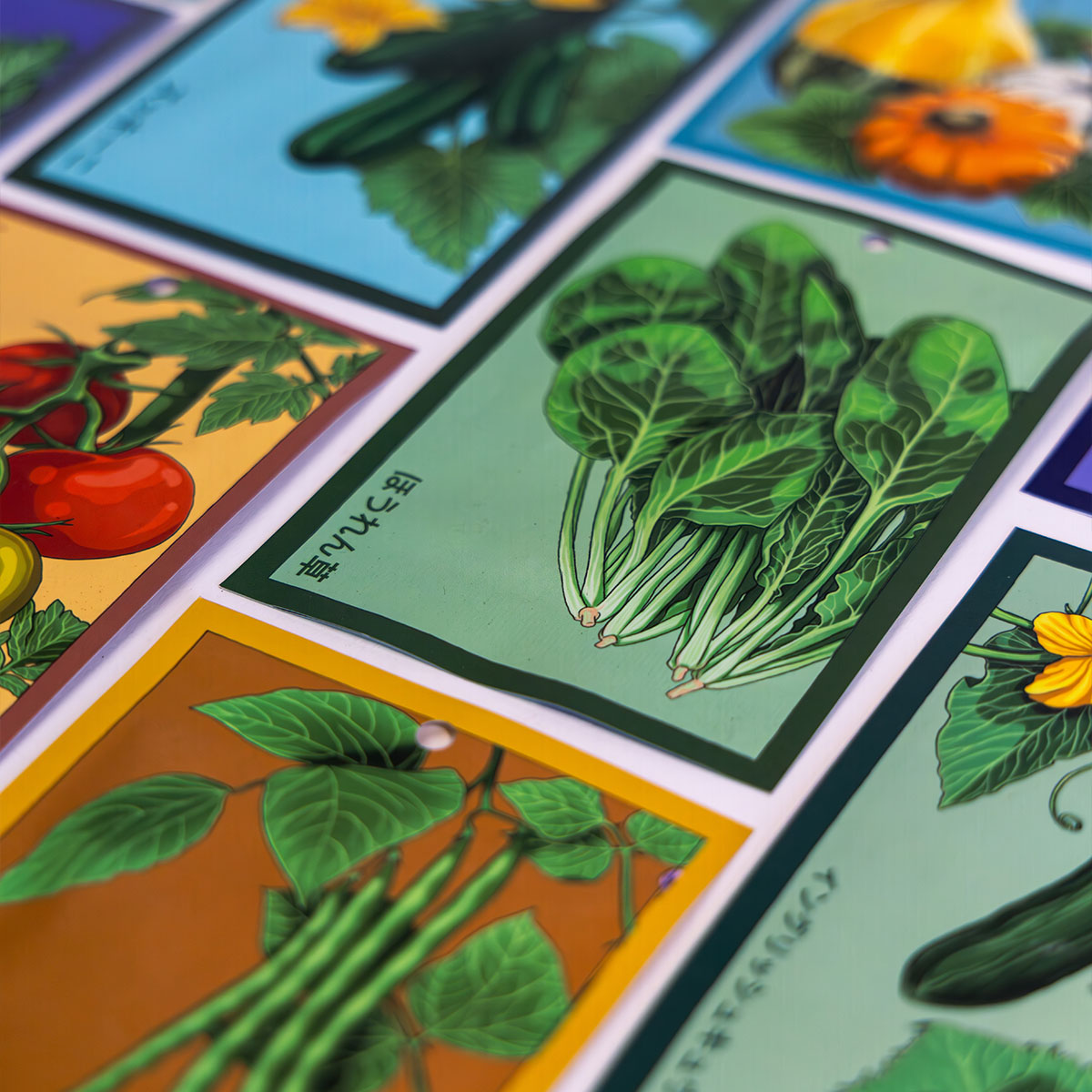
Every Shido seed packet is illustrated in the style of Japanese 1910s woodblock printing -- designed and drawn in-house by Chive, that has been exhibiting at the Chelsea Flower Show in London every year and does not, as a matter of principle, sell to big-box retailers. Customers collect the packets as a series. This was not the original plan.

Satisfaction Guarantee

We stand by the quality of our flower seed packets! Every Shido seed packet is lab-tested for germination before it ships. If your seeds do not perform to the stated germination rate under correct growing conditions, contact us and we will replace or refund. Guaranteed!

Horticultural Specifications

Botanical

Daucus carota subsp. sativus

Plant Type

Biennial grown as annual

Light

Full sun

Water

Consistent moisture

Soil

Loose, well-drained; tolerates heavy or shallow soil, pH 6.0–6.8

Depth

1/4 in

Germination

14-21 days

USDA Zone

3-10

Mature Height

8-12 in foliage

Harvest

50-60 days


Getting to know your Parisian

Parisian carrots form 1 to 2 inch round globes instead of tapered roots, a shape that made them a French market standard in the 19th century. That makes them the carrot for containers, window boxes, shallow beds, and the heavy clay soil that forks long carrots. They mature in under two months and are sweetest pulled small, at about the size of a large radish. Direct sow, keep the bed damp through germination, thin to 2 to 3 inches, and sow again every three weeks.


History & origin

French Market Heirloom

Parisian is a 19th-century French market carrot, sold in Paris as a small round root rather than a long tapered one.

The Round Carrot

Its globe shape suited the heavy soils and shallow beds of market gardens around French cities, where long carrots struggled.

Today

Still grown for container and clay-soil gardens, and harvested small, at about the size of a large radish.

Step-by-Step Sowing & Growing Guide

Getting Started

Biennial grown as annual, direct sow

Step 1: Timing - Direct sow 2-3 wks before last frost; succession sow every 3 wks.

Step 2: Soil - Loose, well-drained; tolerates heavy or shallow soil, pH 6.0–6.8.

Step 3: Sowing - 1/4 in deep. Germination takes 14-21 days at 55-75°F.

Step 4: Spacing - Thin or transplant to 2-3 in apart in rows 10-12 in apart.

Step 5: Care - Full sun; consistent moisture.

Step 6: Harvest - 50-60 days. Parisian forms 1–2 inch round globes rather than tapered roots — the carrot for containers, window boxes, and clay soil that fights long carrots.

Before you start

Materials needed to sow

  • Prepared garden bed or shallow container: Round carrots grow well in shallow beds, pots, and window boxes at least 6 inches deep.
  • Garden rake or hoe: To break up clods and remove stones before sowing.
  • Fine-rose watering can or mister: Seed is slow to emerge and must stay damp without crusting.
  • Burlap, board, or light row cover: Holds moisture on the seedbed through germination.
  • Plant labels: Useful for tracking succession sowings every 3 weeks.

Materials for harvest and storage

  • Hand trowel: Loosens soil around round roots so they lift out cleanly.
  • Small basket or bowl: Round roots are harvested small and in batches.
  • Produce bags: Refrigerate trimmed roots for several weeks.

Tip: Pull roots at about the size of a large radish, when they are sweetest. Left too long, round carrots get woody and may split.

Growth Requirements

Light:

  • Requires full sun, at least 6-8 hours daily.

Soil:

  • Loose, well-drained soil, pH 6.0-6.8. Tolerates heavier or shallower soil than long carrots.
  • Remove stones and clods.

Watering:

  • Requires consistent moisture, especially through the 2 to 3 weeks of germination.
  • Uneven watering causes cracking and splitting.

Temperature & Climate:

  • Cool-season crop that germinates well in soil of about 55-75°F.
  • Tolerates light frost.

Fertilization:

  • Work in compost before sowing.
  • Avoid excess nitrogen, which grows tops at the expense of roots.

Maintenance

Thinning:

  • Thin seedlings to 2-3 inches apart once tops are about 2 inches tall.

Mulching:

  • A light mulch holds moisture and keeps shoulders covered, which prevents green tops.

Weeding:

  • Weed carefully while seedlings are small; carrots compete poorly.

Watering:

  • Keep soil evenly moist; avoid swings between dry and soaked.

Harvesting:

  • Pull roots at about the size of a large radish, when they are sweetest.
  • Loosen soil with a hand trowel before pulling.

Storing:

  • Twist off the tops, then store roots in a bag in the refrigerator for several weeks, or in damp sand in a cool cellar for longer.

Troubleshooting and common mistakes

  • Leaving roots in too long: round carrots are sweetest small; large ones turn woody and can split
  • Letting the seedbed dry out: carrot seed takes 2 to 3 weeks to emerge and fails if the surface dries
  • Crowding: thin to 2 to 3 inches so globes can size up evenly

Culinary uses & nutritional information

What it's used for

1. Culinary Applications:

  • Roasted whole, which suits their round shape
  • Glazed or buttered as a side dish
  • Raw, as a single-bite snack
  • Pickled whole

2. Nutritional Benefits:

  • Source of beta-carotene as an orange carrot
  • Fiber, vitamin C, and potassium in typical carrot ranges
  • Low in calories

3. Garden Uses:

  • Suited to containers, window boxes, shallow beds, and heavy clay soil
  • Matures in under two months
  • Succession sowing every 3 weeks keeps the supply going

4. Practical Benefits:

  • No deep digging required
  • Round roots avoid the forking that stones cause in long carrots
  • Worth planning for: pull small, at about radish size

What parts are edible

  • Root: The primary edible part: a small, round, orange globe with a sweet flavor, eaten raw, roasted, or glazed.
  • Tops: The green tops are edible in small amounts, chopped as a herb or blended into pesto.

Nutritional data

Raw carrot, per 100g (standard reference value for orange carrots)

Calories: 41 kcal

  • Carbohydrates: 9.58 g
  • Protein: 0.93 g
  • Total fat: 0.24 g
  • Dietary fiber: 2.8 g
  • Vitamin C: 5.9 mg (7% RDA)
  • Folates: 19 µg (5% RDA)
  • Potassium: 320 mg
  • Cholesterol: 0 mg

Companion plants, pests & diseases

Companion planting

Good companions

  • Onions, leeks, chives: the scent may help deter carrot rust fly
  • Lettuce, radishes: radishes mark the row and loosen soil as they mature before carrots need the space
  • Tomatoes, rosemary, sage: low competition, and the aromatics may help confuse pests

Poor companions / avoid

  • Dill: reported to stunt carrots and to cross with the same family
  • Parsnips: share carrot rust fly and other root pests
  • Fennel: allelopathic, inhibits the growth of many nearby plants

Pests

  • Carrot rust fly: larvae tunnel through roots; cover with row cover from sowing and rotate beds
  • Aphids: cluster on foliage; strong water spray or insecticidal soap
  • Wireworms: tunnel into roots in soil recently converted from sod; rotate and avoid planting after grass

Diseases

  • Alternaria leaf blight: dark spots on foliage in warm, humid weather; improve airflow and rotate crops
  • Powdery mildew: white coating on foliage in dry, humid conditions; space plants and avoid overhead watering
  • Root rot and cavity spot: sunken lesions on roots in wet, heavy soil; improve drainage and avoid overwatering

Pro Tip

Direct sow Parisian anywhere a long carrot would struggle: shallow beds, pots, heavy clay. The round, orange globes mature in under two months and are best pulled small, at about the size of a large radish, when they are sweetest.

Bonus: A 19th-century French market heirloom, still sold whole in Paris.

Seeds worth keeping

What makes Shido Seeds different

Shido Seeds are designed by Chive Studio, a ceramic design company. We are not a seed conglomerate. We do not sell through big-box retailers. Each variety in the catalog was selected because it is worth growing — not because it ships well in bulk or photographs well in marketing materials.

Every packet is germination-tested at an independent third-party lab before it earns its woodblock illustration. The vacuum seal removes the oxygen that causes standard paper packets to degrade. The stated germination rate is a floor, not a marketing figure.

If something goes wrong, contact us. We will make it right.

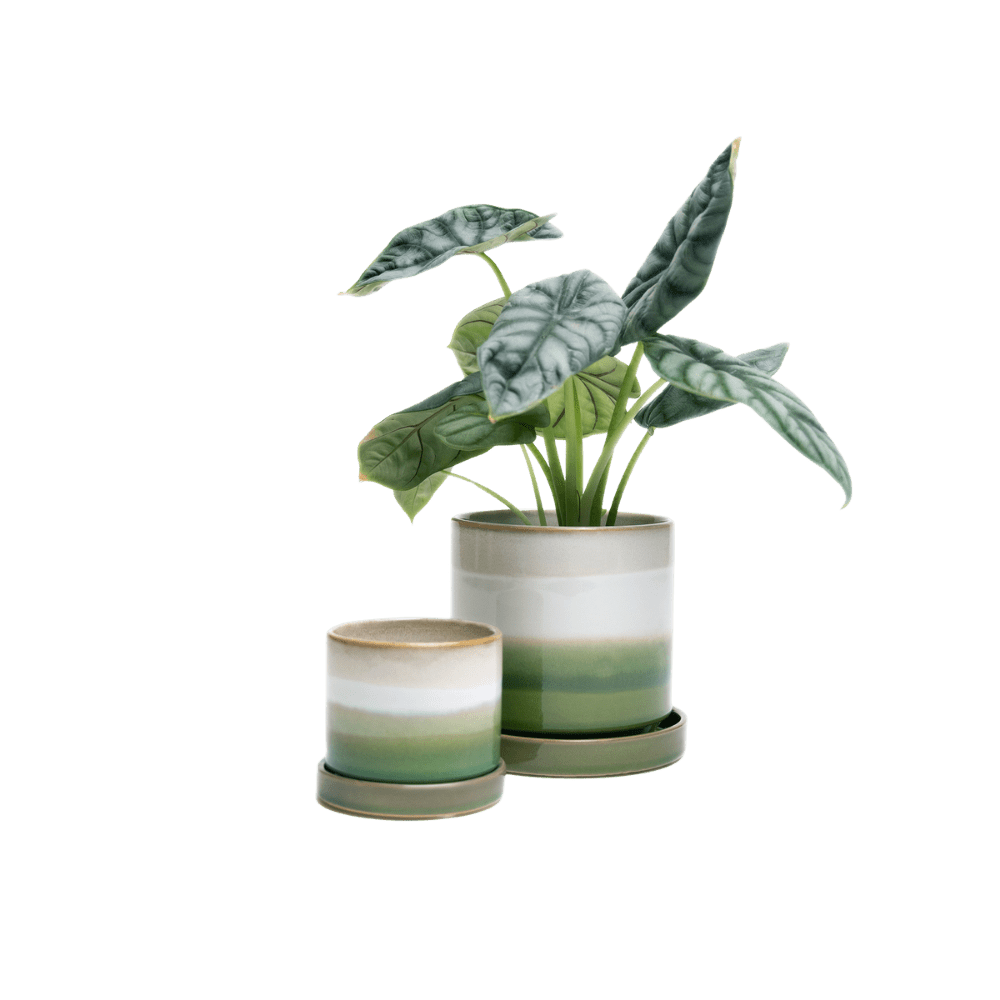
Plants that Grow together look good together...even if they are ceramic
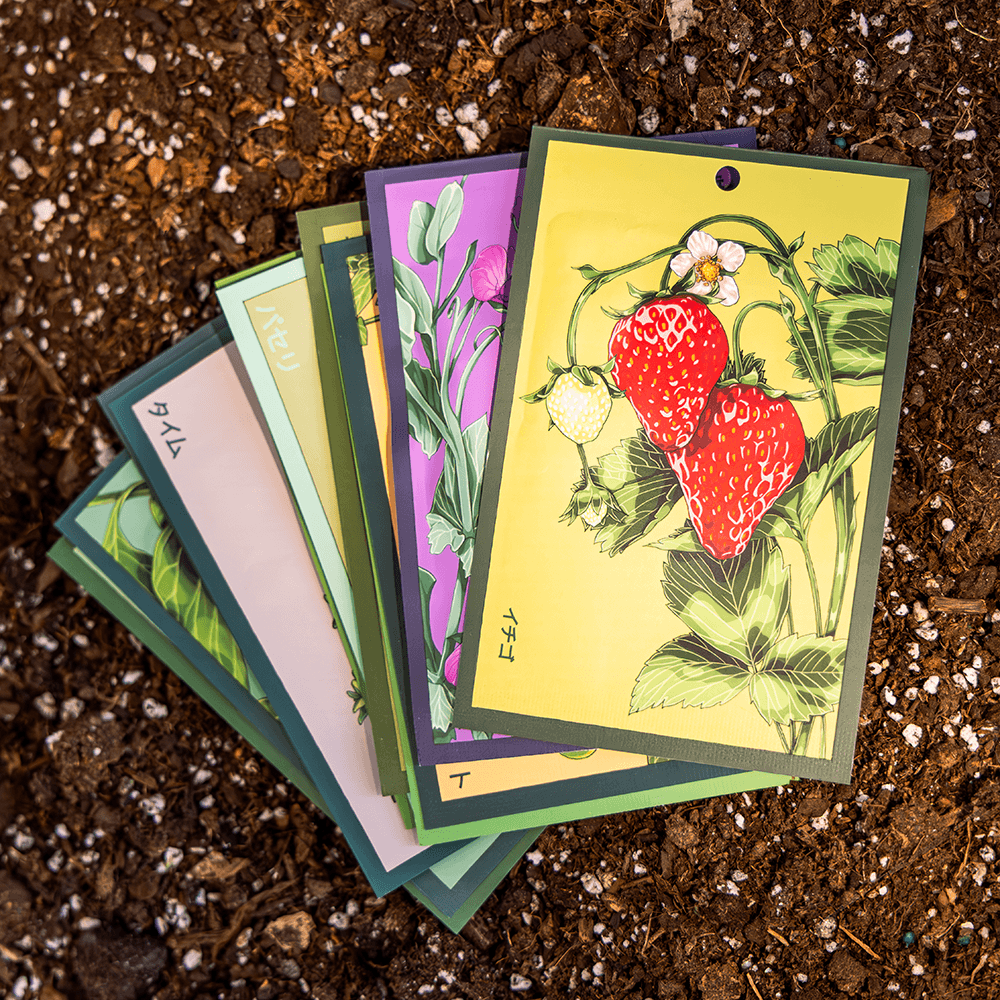
Set of Chive Shido Seeds packets with fruit and flower illustrations on a soil background.

Grow It With Atomic Red Carrot

For a long, lycopene-red carrot in deep beds, Atomic Red Carrot is a natural companion in the same growing season.

Vegetable Shido Seeds packets — Chive US Wholesale

The Rest of the Vegetable Garden

Browse Shido's vegetable seed lineup for every other crop that shares a bed, a season, or a trellis with this one.

Flowers That Never Need Watering

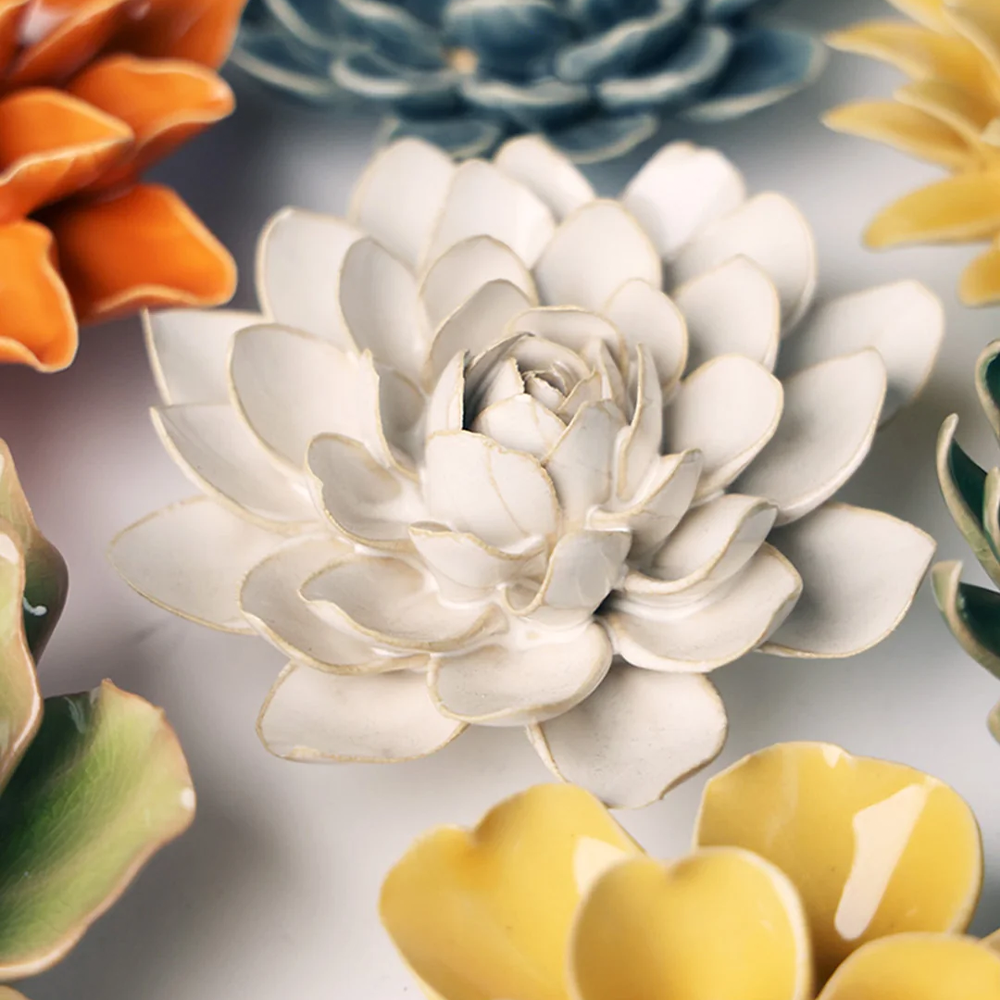
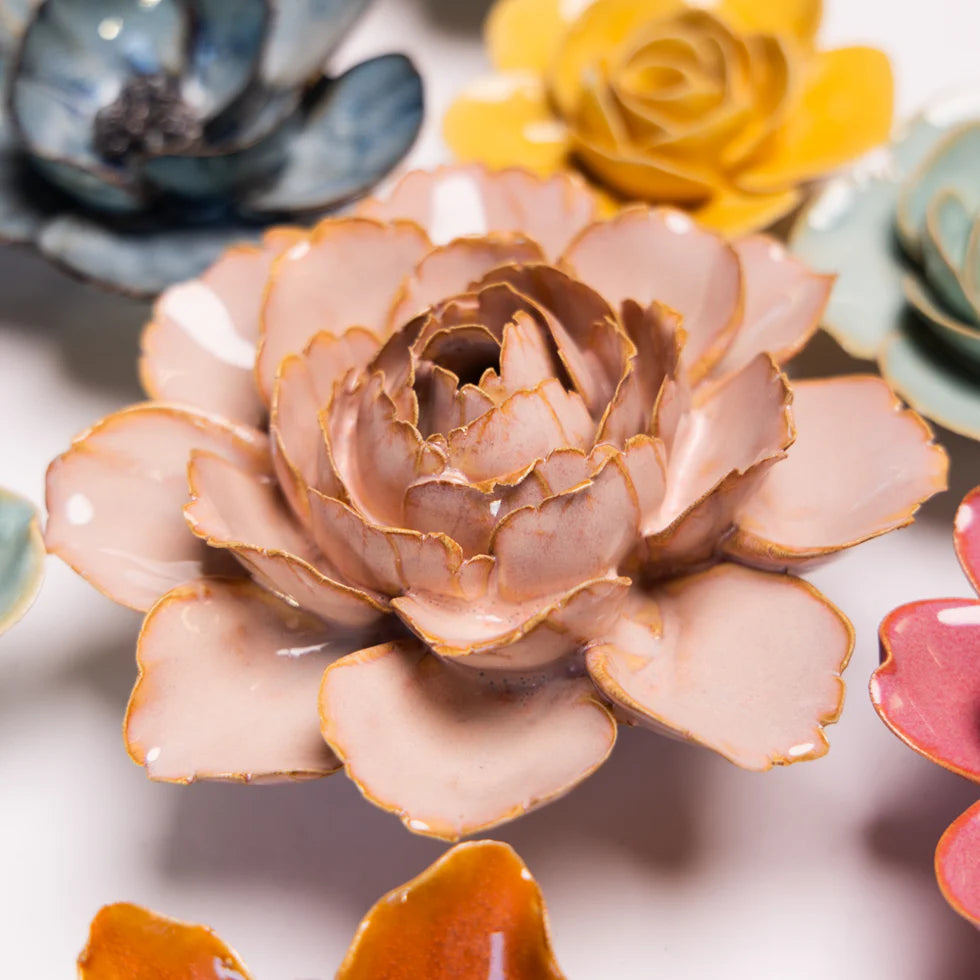
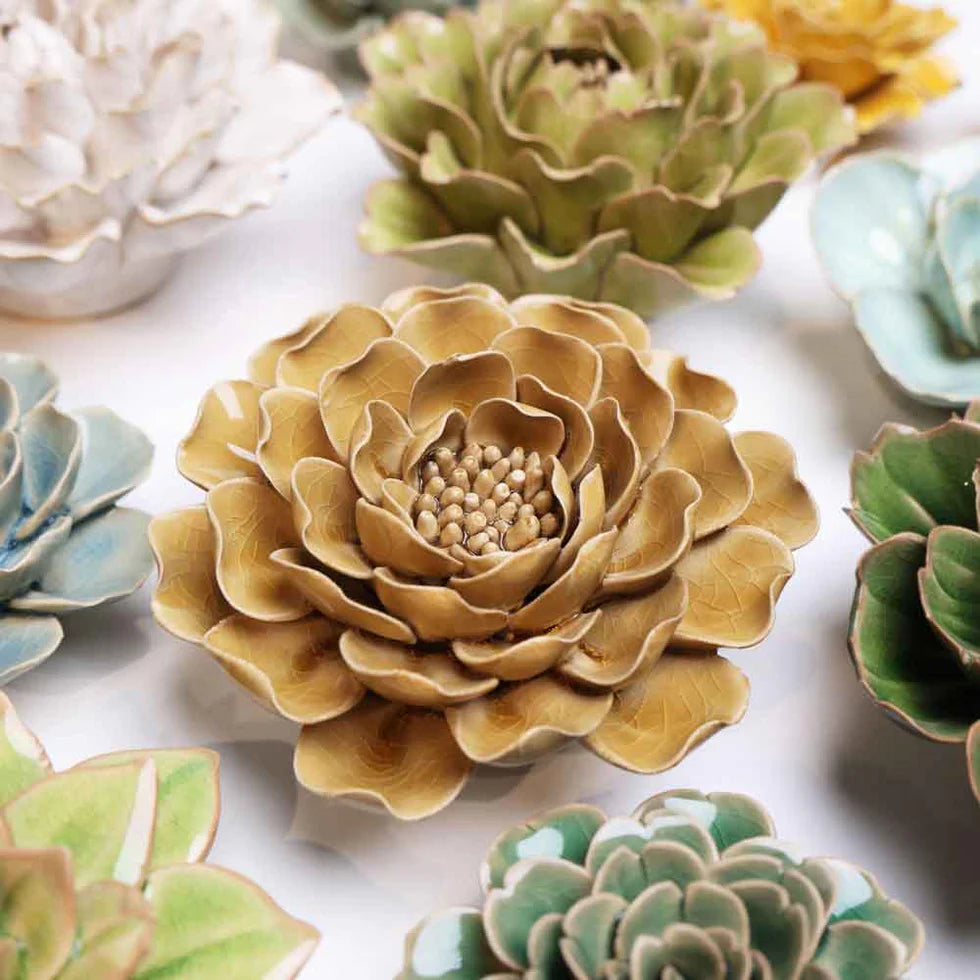
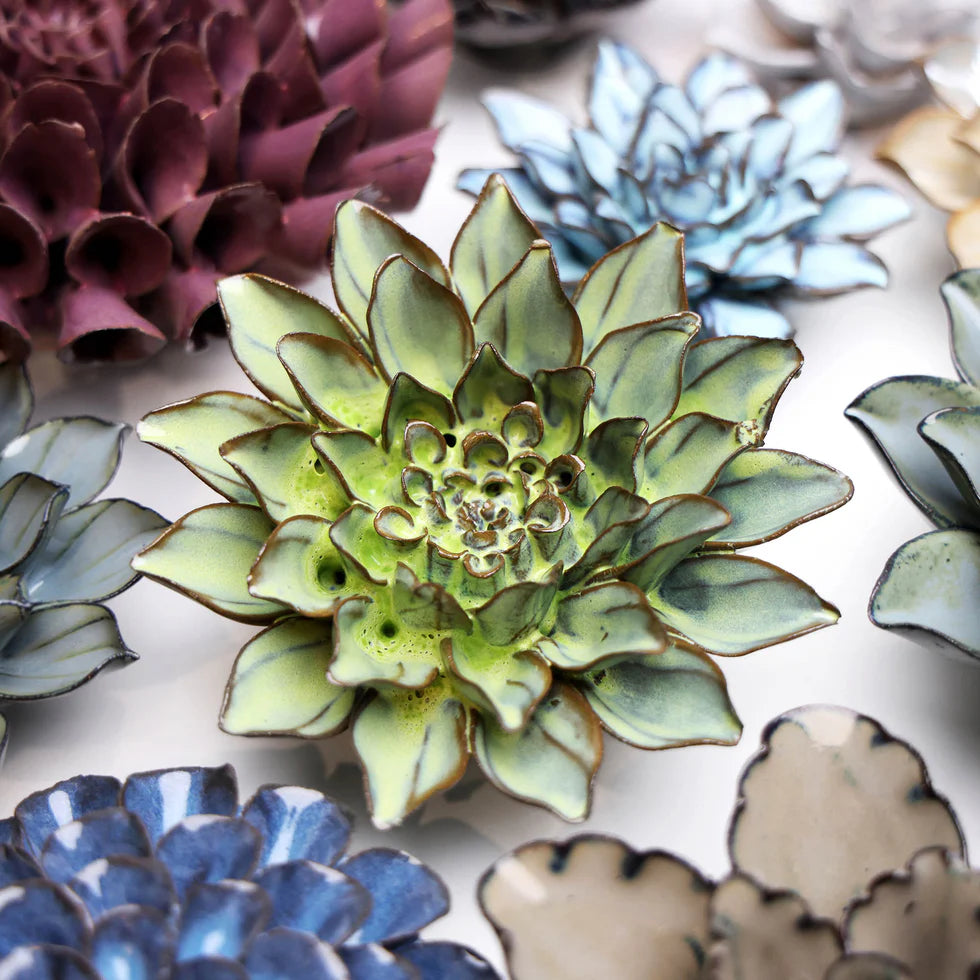
Seeds ask for patience; Chive's ceramic wall flowers are in bloom the moment they are unwrapped, designed in the same studio since 2004.

The credentials behind the packet

Chive Studio started as a ceramics workshop and grew, one collection at a time, into seeds, vases, and everything else now carrying its name. Shido Seeds is the newest branch of that same tree, built on the belief that a seed packet deserves the same attention to material and design as a ceramic vase does. That is why every variety, carrot included, ships vacuum-sealed rather than paper-packed, and why the packaging is illustrated rather than merely printed.

Frequently asked questions

How do you grow Parisian carrots?

Direct sow 1/4 inch deep in full sun, keep the bed evenly damp through the 2 to 3 weeks of germination, and thin to 2 to 3 inches. Succession sow every 3 weeks through the season.

Can Parisian carrots grow in pots?

Yes. The round roots are 1 to 2 inches across, so containers and window boxes at least 6 inches deep work well, and they suit heavy clay soil where long carrots fork.

How long do Parisian carrots take to mature?

Roughly 50 to 60 days from sowing, which is under two months.

When should I harvest Parisian carrots?

At about the size of a large radish. They are sweetest small and turn woody if left too long.

Why are Parisian carrots round?

It is the variety's natural shape. French market gardeners grew round carrots because they handle shallow, heavy soil better than long tapered types.

How long do Parisian carrot seeds last?

Vacuum-sealed Shido Seeds packets stay viable for up to 10 years when stored properly, compared to roughly one year for a standard paper seed packet. Storing unused packets somewhere cool and dry helps preserve that extended shelf life.

What are Parisian carrots good for?

Roasting whole, glazing, serving raw, and pickling. The round shape makes them an easy single-bite vegetable.

Are these seeds lab-tested for germination?

Yes. Every Shido Seeds packet, Parisian included, is germination-tested at independent third-party labs before it ever reaches a shelf.

The seed is the start. Verte RX handles the rest.

Most seedlings fail not from bad seed but from soil that runs out of what the plant needs before the plant can find it. Verte RX is a liquid plant vitamin formulated for exactly that window — the weeks after germination when the root system is establishing and the margin between thriving and stalling is narrowest.