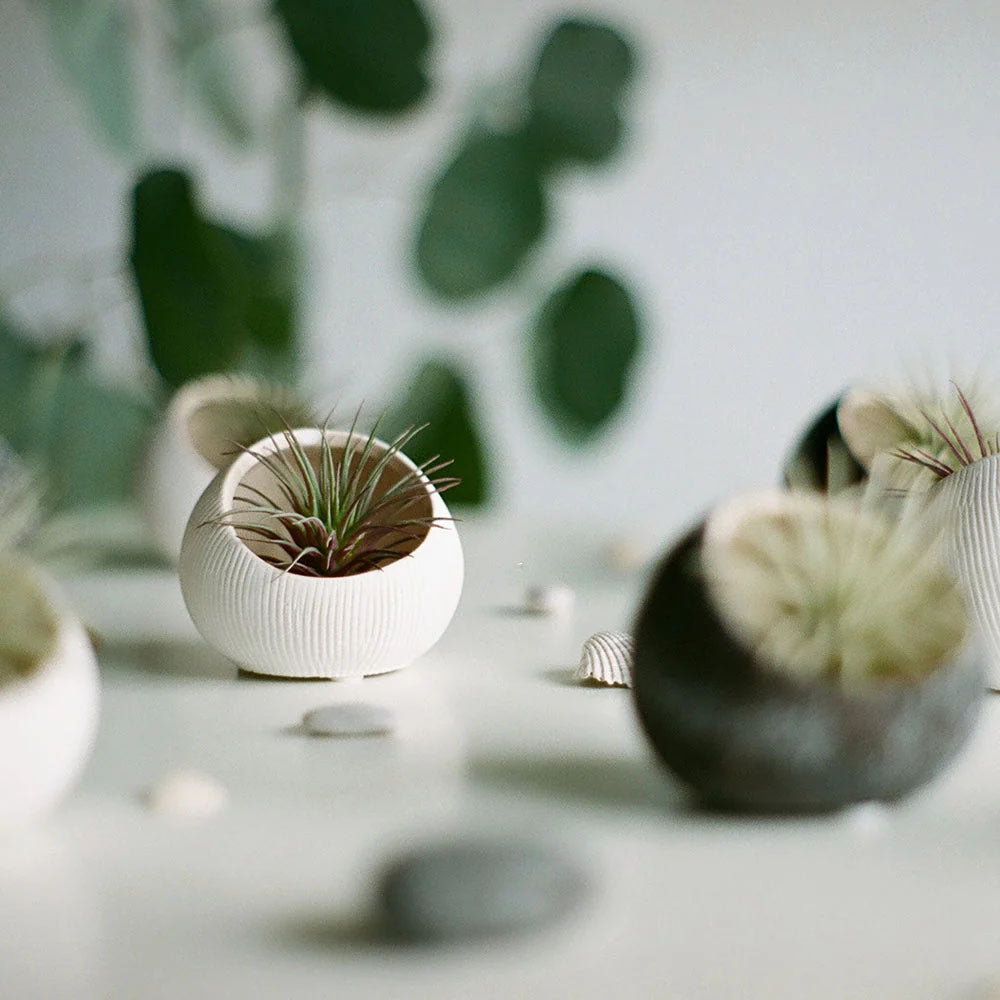
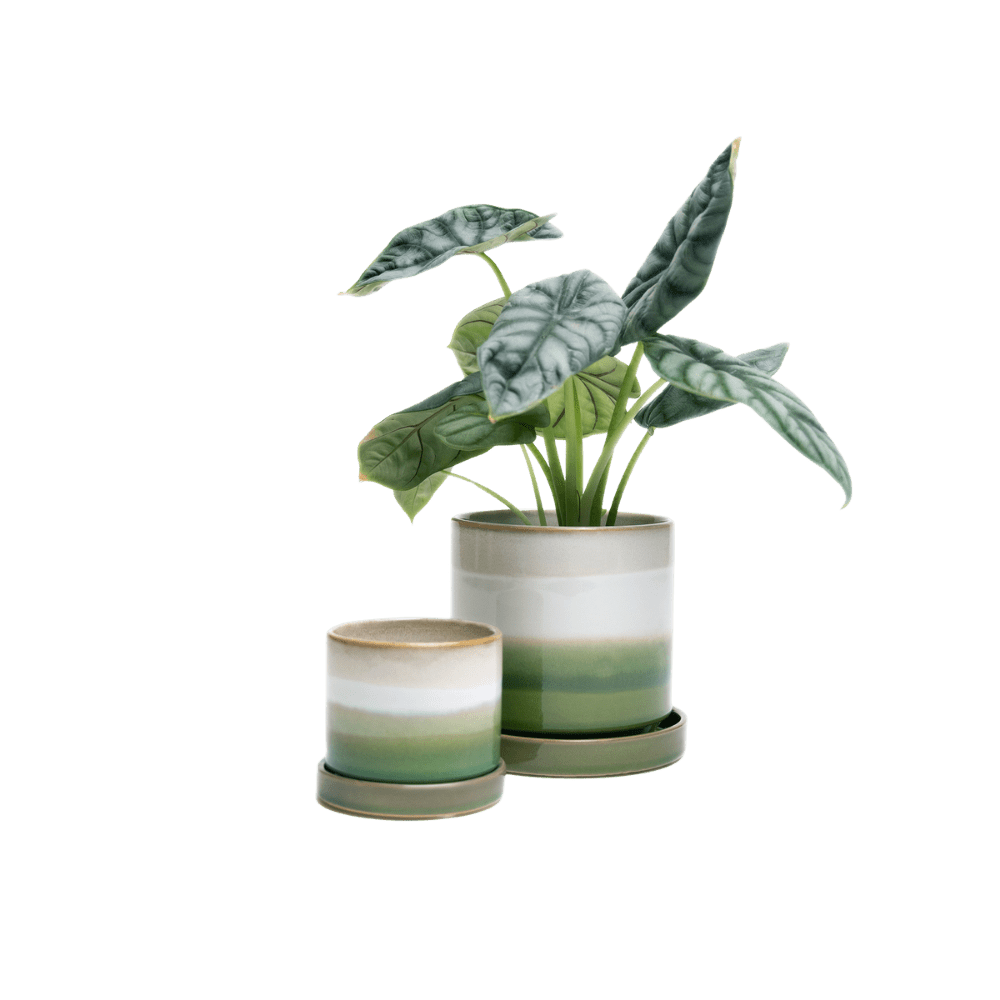
Gideon Ceramic Air Plant Container - Grassy White Speckles

Regular price $5.12
Thoughtfully Designed
Dishwasher safe cleaning

Build the Arrangement That Looks Harder Than It Was

Pick a vase to anchor the shelf, then add the rest until it reads as curated instead of collected.


Speckle is the one Gideon finish that never repeats itself exactly, since the pattern comes from mineral flecks scattered unevenly through the base glaze rather than one flat color laid across the whole surface. No two pieces land with quite the same density of speckling once fired, which some buyers specifically seek out as a mark of something handmade rather than mass-produced. Against the shape's punched, moon-like holes, the texture reads almost like natural stone up close, small dark points scattered across pale ceramic. The holes underneath do the actual functional work regardless of finish, letting air pass freely rather than sealing a plant in against trapped humidity. Grouping a Speckle piece next to a solid color like White or Dark Chrome tends to highlight the texture more than lining several Speckle pieces up together would.

Product detail
  • Material: Ceramic
  • Glaze finish: Glazed
  • Year Designed: 2010
Dimension
  • 2.5" width, 2.5" length, and 2.5" tall
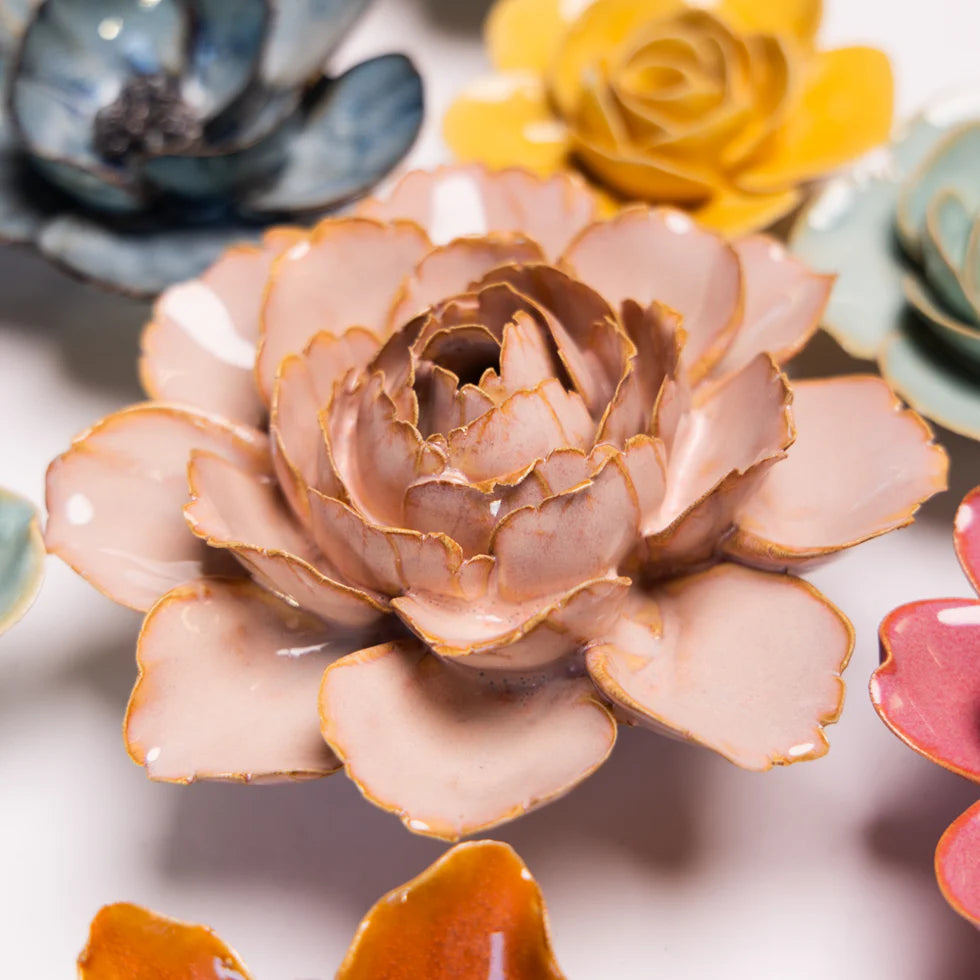
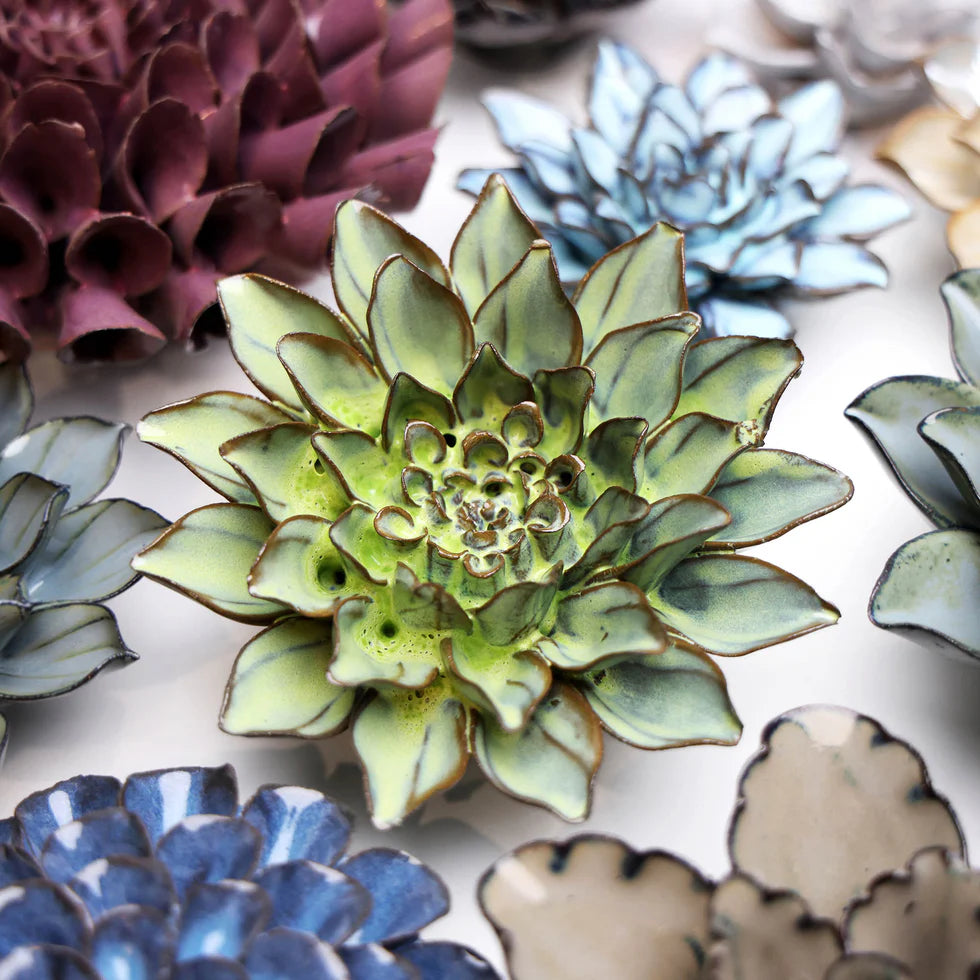
Flowers that Love this Floral Frogs

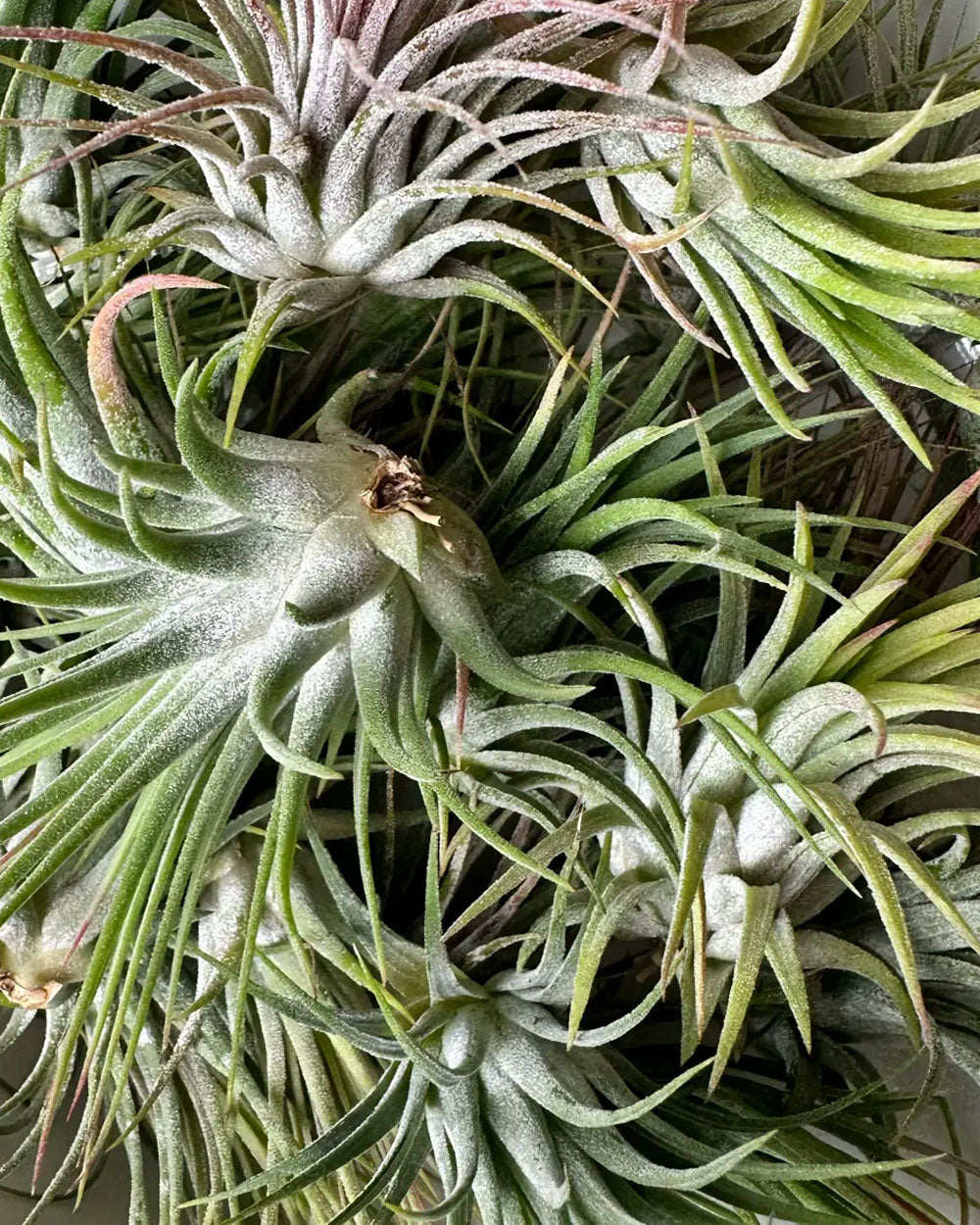
Air plants that love this container

  • Tillandsia ionantha
  • Tillandsia xerographica
  • Tillandsia bulbosa
  • Tillandsia caput-medusae
  • Tillandsia stricta

Quick Guide to Building a Ikebana Floral Arrangement

  1. Choose a low, open vessel
  2. Set the frog before anything else
  3. Place the main line first
  4. Add the second and third lines
  5. Fill in sparingly
  6. Step back before deciding it's finished
  7. Reset the frog between arrangements

Gideon Ceramic Air Plant Container - Chive US Wholesale

The Story Behind This Piece

Speckle is the one glaze in this lineup that refuses to look the same twice, since the pattern comes from mineral flecks scattered through the base white rather than a single uniform color laid over the whole surface. No two pieces land with quite the same speckle density, which is either a flaw or the entire appeal depending on how you feel about factory-perfect consistency. Against the punched, moon-like holes that define this shape, the speckling reads almost like additional texture, small dark points scattered across a pale surface the way real stone often is. It photographs differently depending on how close the camera gets, smooth and pale from across a room, visibly textured up close. Air plants inside don't interact with any of this, but the speckle pattern means no two customers ever end up with an identical piece, which some people specifically seek out and others never even notice. Collectors of this shape sometimes end up with two or three speckled pieces specifically because no single one ever feels redundant next to another — the variation between individual pieces does the job that buying multiple different glazes usually has to do on its own. No two shelves of these ever look quite identical either, which some collectors treat as a small ongoing game.

Quick Guide to :

Building an Ikebana Arrangement

A floral frog, called a kenzan in ikebana, is a small weighted disc studded with metal pins. Stems get pushed onto the pins and hold whatever angle they were given, no tape or spare hand required.

Choose a low, open vessel. Ikebana favors shallow bowls over tall vases, since a kenzan needs a flat base to sit on. A tall bud vase will not do.

Set the frog before anything else. Place the kenzan first, then add water. Water over pins is slippery, and a shifting kenzan takes the arrangement with it.

Place the main line first. Ikebana builds around three stems at different heights: tall (shin), mid (soe), short (hikae). Start with the tallest, cut with intention, since it sets the scale.

Add the second and third lines. Lean the mid stem outward, then the short stem the opposite way, low and close to the rim. Together they form an uneven triangle. Symmetry is what a kenzan avoids.

Fill in sparingly. Empty space is a design element, not a gap to fix. A few stems angled to hide the pins is enough. Past that, it looks like a grocery store bouquet.

Step back before calling it finished. Walk across the room and look again. There is almost always one stem to remove.

Reset the frog between arrangements. Trimmings settle in the pins and give the next stems less to hold onto. Rinse it clear before the next round.

Pro Tip: The light does half the work.

Glass catches and bends light in a way ceramic can't. Set the arrangement somewhere it'll get some late afternoon sun, even for an hour, and the water and stems start doing something a solid vase never will.

Perfect Pairs for Any Shelf

Gideon Ceramic Air Plant Container - Chive US Wholesale

Where speckle brings texture into the equation, Planet Moon takes the same punched holes toward a completely different visual joke instead.

Chive's terrarium collection separates open, punched air plant holders like this one from the sealed glass built for anything planted in soil.

Verte Rx Houseplant Food 10 - 15 - 10 - Chive US Wholesale

A Plant That Still Wants Feeding

An air plant skips soil but still wants feeding sometimes, and Verte Rx Organic Houseplant Food works as a light supplement even without dirt to carry the nutrients.


About Chive Studio

Speckled glazes work by letting mineral content behave slightly unpredictably in the kiln rather than controlling for a single flat result, which is a different kind of studio decision than most of what gets made here. The studio has kept a handful of speckled glazes in rotation since 2004 specifically because the unpredictability reads as handmade in a way a perfectly even surface never quite manages. Consistency isn't really the goal with this one. Character is. Most of the studio's glazes are built to repeat identically, batch after batch, which makes this one something of an outlier by design. Not every decision here is about control. Some are about letting go of it entirely.


Frequently asked questions

Does the glaze color affect how a Gideon air plant holder performs?

No — the speckled pattern is a surface-level glaze effect layered over the same punched shape shared across the entire Gideon lineup. Air plant care itself doesn't change based on which finish holds it. Every functional aspect of the design, including airflow and drainage logic, stays consistent no matter the glaze.

Which Gideon Ceramic Air Plant Container color is the most popular?

Speckle tends to appeal specifically to buyers who want a piece that looks handmade and slightly imperfect rather than uniform, since no two speckled pieces land with quite the same pattern once fired. That built-in variation appeals to people who specifically want their piece to look one-of-a-kind rather than uniform.

Can you mix different Gideon color variants on one shelf?

Yes, and Speckle's textured, varied surface actually reads well next to a solid, uniform color like White or Dark Chrome, giving a shelf some visual contrast between smooth and textured finishes. Mixing textures alongside solid colors tends to make a shelf feel more curated than accidental. Either pairing works well depending on whether you want harmony or contrast on the shelf.

Does color affect how often you water an air plant in this holder?

No — care stays identical regardless of the glaze pattern. An air plant in Speckle needs the same misting or soaking routine as one in any other Gideon color. Whatever routine suits your home and the specific plant works regardless of which finish is holding it. The underlying ceramic shape and its airflow logic never change based on surface finish.

Do darker Gideon glaze colors show water spots more than lighter ones?

Speckle tends to hide minor water marks reasonably well, since the existing mineral flecks in the glaze already break up the surface, making faint additional spotting less noticeable than it would be on a solid pale glaze. The existing texture does a lot of that visual work without any extra effort required.

What size is each Gideon Ceramic Air Plant Container color variant?

Speckle shares the identical 2.5 by 2.5 by 2.5 inch dimensions used across the entire Gideon color lineup, with no variation in size. Every color shares that same footprint, so nothing about scale changes based on which one you pick. Every variant in the six-color range holds to that same exact measurement.

Is one Gideon color variant better for beginners than another?

No meaningful difference for care, though a beginner drawn to variation and texture over uniform color might find Speckle more visually interesting than a solid glaze without any added complexity in upkeep. The added texture is purely a style preference, not a factor in day-to-day care. Care difficulty stays flat across the board regardless of which finish you land on.

When did Chive add color variants to the Gideon air plant holder?

Speckle joined the lineup as one of the later color additions, once the studio had already established the more standard solid glazes and wanted to offer something with more visual texture. It rounded out the lineup once solid glazes alone started to feel a little predictable. It arrived as part of the same coordinated release as the rest of the family.