Cherry Roma Tomato Vegetable Seeds Packet

SKU: SECRTO

Pre-order · Shipping January 10, 2027
Regular price $2.35

2025 Seed Prices

  • Order 1-95 assorted packets for $2.35 each
  • Order 96-499 assorted packets for $1.85 each
  • Order 500 or more assorted packets for $1.65 each
Vacuum Sealed
NON-GMO
Seed Pack Guarantee

Build Your Garden With These Shido Seeds

Choose a seed packet as your starting point, then round out the bed with these for that thrown-together-but-somehow-perfect harvest.


Barcode: 843458169642

Seed specifications
  • Material: Seed
  • Botanical name: Solanum lycopersicum
  • Genus: Solanum
  • Plant family: Solanaceae
  • Species: Lycopersicum
  • Plant type: Annual
  • Pollination type: Vegetable
  • USDA Hardiness Zones: 3-11
  • Packet contents: ≈ 100 Seeds
  • Packaging: Hermetically vacuum-sealed
  • Non-GMO: Yes
  • Seed viability: Up to 10 years (sealed) / 4–5 years (unsealed, ideal conditions)
  • Difficulty: Moderate - Recreational Gardener
Sowing & growing guide

Quick Sowing Guide:

  • When to sow: Start indoors 6-8 wks before last frost; transplant after soil is 60°F+
  • Sowing depth: 1/4 in
  • Initial spacing: 24-36 in
  • Row spacing: 36-48 in
  • Days to germination: 6-10 days
  • Light: Full sun
  • Water: Deep, consistent watering
  • Soil: Rich, well-drained loam, pH 6.2–6.8
  • Harvest: 70-75 days from transplant

Start Growing: Step-by-step sowing and growing guide

About vacuum sealing

Why Vacuum-Sealed Seeds Last Longer

Standard paper seed packets are permeable to oxygen and moisture -- the two primary causes of seed degradation. Most paper-packaged seeds begin losing germination viability after approximately one year, contributing to significant garden-industry waste: packets purchased, not planted, expired, discarded. Shido Seeds are hermetically vacuum-sealed. The packet does not expire quietly in a drawer. It waits.

About the Packaging

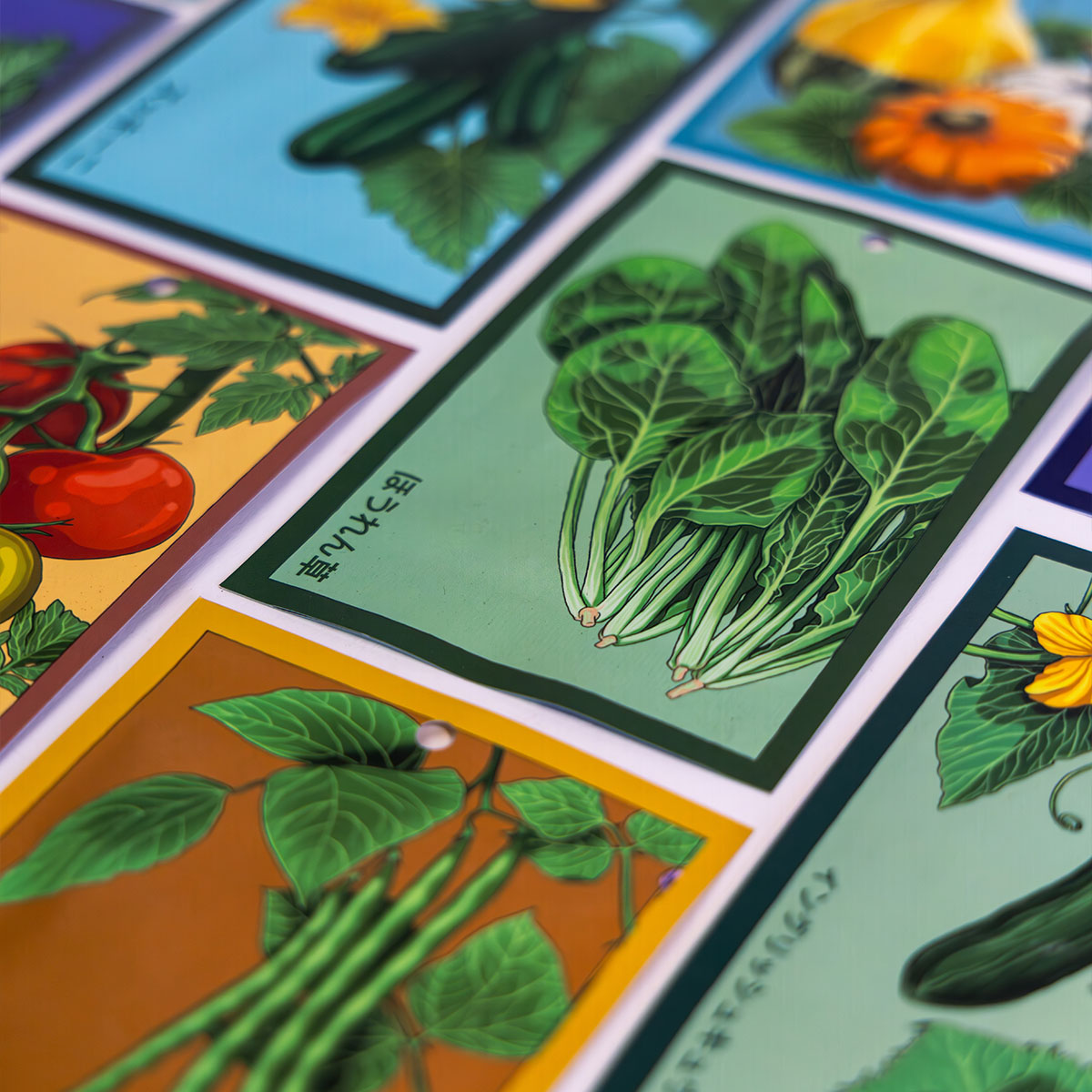
Every Shido seed packet is illustrated in the style of Japanese 1910s woodblock printing -- designed and drawn in-house by Chive, that has been exhibiting at the Chelsea Flower Show in London every year and does not, as a matter of principle, sell to big-box retailers. Customers collect the packets as a series. This was not the original plan.

Satisfaction Guarantee

We stand by the quality of our flower seed packets! Every Shido seed packet is lab-tested for germination before it ships. If your seeds do not perform to the stated germination rate under correct growing conditions, contact us and we will replace or refund. Guaranteed!

Horticultural Specifications

Botanical

Solanum lycopersicum

Plant Type

Annual

Light

Full sun

Water

Deep, consistent watering

Soil

Rich, well-drained loam, pH 6.2–6.8

Depth

1/4 in

Germination

6-10 days

USDA Zone

3-11

Mature Height

5-7 ft (indeterminate)

Harvest

70-75 days from transplant


Getting to know your Cherry Roma

Cherry Roma is a small plum-shaped paste tomato, 1 to 2 inches long, with dense, meaty flesh and few seeds. That structure makes it more useful in the kitchen than a round cherry: it dries, roasts, and sauces well, and it still works in a salad. The plants are indeterminate and tall, setting heavy trusses from midsummer until frost. Halve the fruit, salt it, and slow-roast it for oven-dried style tomatoes that keep for weeks. Give the vines a tall stake and steady water, and pick often to keep the trusses coming.


History & origin

Step-by-Step Sowing & Growing Guide

Getting Started

Annual, start indoors

Step 1: Timing - Start indoors 6-8 wks before last frost; transplant after soil is 60°F+.

Step 2: Soil - Rich, well-drained loam, pH 6.2–6.8.

Step 3: Sowing - 1/4 in deep. Germination takes 6-10 days at 70-85°F.

Step 4: Spacing - Thin or transplant to 24-36 in apart in rows 36-48 in apart.

Step 5: Care - Full sun; deep, consistent watering.

Step 6: Harvest - 70-75 days from transplant. Cherry Roma is a small plum-shaped paste tomato — meaty and low in seeds, so it dries, roasts, and sauces better than a round cherry.

Before you start

Materials needed to sow

  • Seed trays or small pots: For the 6-8 week indoor start before transplanting.
  • Heat mat: Tomato seed germinates fastest and most evenly at a steady 75-85°F.
  • Seed-starting mix: A sterile, fine mix reduces damping-off risk.
  • Grow light: Keeps seedlings short and sturdy through the indoor period.
  • Stakes, cages, or twine: Cherry Roma is an indeterminate plant with heavy trusses, so set a tall stake or cage at transplant.

Materials for harvest and storage

  • Pruners or garden scissors: Cut whole trusses or individual fruit cleanly at the stem.
  • Shallow tray or colander: Small fruit crushes when piled in a deep basket.
  • Baking sheets or a dehydrator (optional): Dense, low-seed flesh is well suited to oven-drying and roasting.
  • Freezer bags: Whole fruit freezes well for winter sauce.

Tip: Pick fully colored fruit regularly. Frequent picking keeps the plant setting new trusses.

Growth Requirements

Light:

  • Requires full sun, at least 6-8 hours daily.

Soil:

  • Prefers rich, well-drained loam, pH 6.2-6.8, with compost worked in before transplanting.

Watering:

  • Requires deep, consistent watering, about 1-2 inches per week, applied at soil level.
  • Keep moisture even through fruit set to limit splitting and blossom end rot.

Temperature & Climate:

  • Grows well in warm temperatures, ideally 70-85°F.
  • Sensitive to frost. Transplant only after all frost danger has passed and the soil has warmed to 60°F or more.

Fertilization:

  • Apply a balanced fertilizer at planting time.
  • Side-dress with phosphorus and potassium once fruit sets.
  • Avoid excess nitrogen, which produces leafy growth at the expense of fruit.

Maintenance

Staking & Support:

  • Tie to a tall stake or cage as the plant grows. Cherry Roma is an indeterminate plant that reaches 5 to 7 feet and carries heavy trusses.

Mulching:

  • Apply organic mulch to hold soil moisture even, which reduces blossom end rot and cracking, and to suppress weeds.

Pruning:

  • Remove suckers to focus growth on main stems and fruit.
  • Remove lower leaves that touch the soil to reduce disease splash-up.

Watering:

  • Water deeply at the base of the plant and avoid wetting the foliage, which keeps leaf diseases down.

Harvesting:

  • Pick fully colored fruit regularly, individually or by the truss.

Storing:

  • Store ripe tomatoes at room temperature, away from direct sun, and never below 50°F, since refrigeration dulls flavor and texture.
  • Use within about a week fresh, or process into sauce, roast, or freeze for longer storage.

Troubleshooting and common mistakes

  • Treating it like a salad cherry only: the dense, low-seed flesh is well suited to drying, roasting, and sauce as well as fresh eating
  • Late or light staking: a tall indeterminate plant with heavy trusses needs support set at transplant
  • Inconsistent watering: swings between dry and wet cause splitting and blossom end rot

Culinary uses & nutritional information

What it's used for

1. Culinary Applications:

  • Halved, salted, and slow-roasted for oven-dried style tomatoes
  • Quick pan sauce, since the dense flesh cooks down fast
  • Fresh in salads and on skewers
  • Dried or frozen whole for winter use

2. Nutritional Benefits:

  • Vitamin C and potassium in typical tomato ranges
  • Red fruit, so lycopene is present as in other red tomatoes
  • Low in calories relative to volume

3. Garden Uses:

  • Heavy trusses of 1 to 2 inch plum-shaped fruit through late summer
  • Tall indeterminate plants that suit a trellis or tall cage
  • A dual-purpose tomato for gardeners who want one plant for snacking and sauce

4. Practical Benefits:

  • Low seed count means less prep work
  • Dense flesh holds up to drying and roasting
  • Worth planning for: tall support and even watering

What parts are edible

  • Fruit: The edible part, eaten ripe, raw or cooked. Cherry Roma fruit is small and plum-shaped, 1 to 2 inches long.

Nutritional data

Raw tomato, per 100g (standard reference value; Cherry Roma is a small, plum-shaped red type)

Calories: 18 kcal

  • Carbohydrates: 3.9 g
  • Protein: 0.9 g
  • Total fat: 0.2 g
  • Dietary fiber: 1.2 g
  • Vitamin C: 13.7 mg (15% RDA)
  • Folates: 15 µg (4% RDA)
  • Potassium: 237 mg
  • Cholesterol: 0 mg

Companion plants, pests & diseases

Companion planting

Good companions

  • Basil: a classic tomato neighbor that may help deter some pests and shares the same warm-season needs
  • Onions, garlic, chives: low competition for space, and the scent may confuse some pests
  • Carrots, parsley, marigolds: low competition, and marigolds add habitat for beneficial insects

Poor companions / avoid

  • Brassicas (cabbage, broccoli, kale): compete for nutrients and space
  • Fennel: allelopathic, inhibits the growth of many nearby plants, tomatoes included
  • Potatoes: same family, so late blight and early blight pass easily between them
  • Corn: shares the tomato fruitworm (corn earworm)

Pests

  • Hornworms: large green caterpillars that strip foliage quickly; handpick or treat with Bt
  • Aphids and whiteflies: cluster on new growth and leaf undersides; strong water spray or insecticidal soap
  • Spider mites: fine webbing and stippled leaves, worse in hot, dry weather

Diseases

  • Early blight, late blight, septoria leaf spot: fungal leaf diseases that spread in wet, humid weather; mulch, prune lower leaves, and water at the base
  • Blossom end rot: a dark, sunken patch on the fruit bottom caused by inconsistent watering and calcium uptake, not by a pathogen
  • Fruit splitting: small fruit can split after heavy rain or a sudden watering following a dry spell; keep moisture steady

Pro Tip

Start Cherry Roma indoors and set the vines out once the soil warms, staked or caged, and expect heavy trusses of 1–2 inch plum-shaped fruit through late summer. The dense flesh makes it the cherry to grow for oven-drying and quick sauce rather than salads alone.

Bonus: Halve, salt, and slow-roast for the best sun-dried-style tomatoes you can make at home.

Seeds worth keeping

What makes Shido Seeds different

Shido Seeds are designed by Chive Studio, a ceramic design company. We are not a seed conglomerate. We do not sell through big-box retailers. Each variety in the catalog was selected because it is worth growing — not because it ships well in bulk or photographs well in marketing materials.

Every packet is germination-tested at an independent third-party lab before it earns its woodblock illustration. The vacuum seal removes the oxygen that causes standard paper packets to degrade. The stated germination rate is a floor, not a marketing figure.

If something goes wrong, contact us. We will make it right.

Plants that Grow together look good together...even if they are ceramic
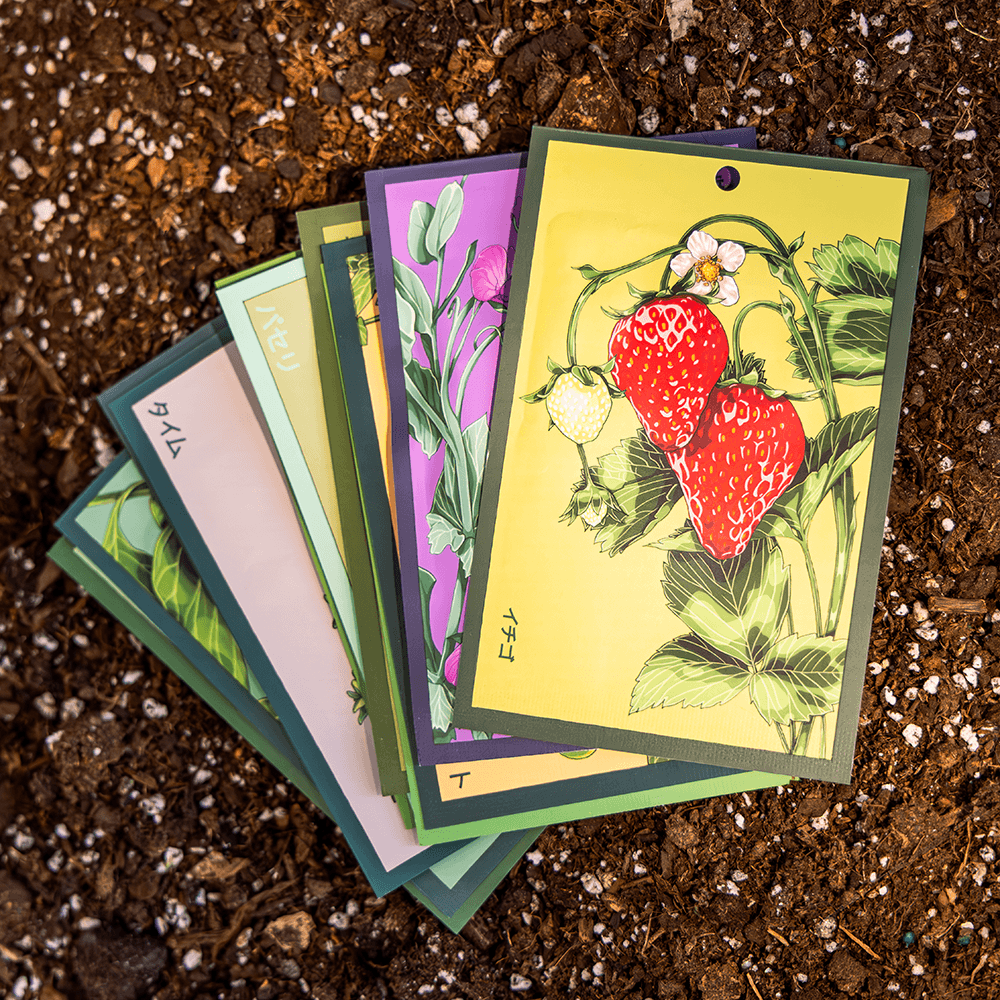
Set of Chive Shido Seeds packets with fruit and flower illustrations on a soil background.

Grow It With Rapunzel Cherry Tomato

For a cascading red cherry with long trusses to plant next to it, Rapunzel Cherry Tomato is a natural companion in the same growing season.

Vegetable Shido Seeds packets — Chive US Wholesale

The Rest of the Vegetable Garden

Browse Shido's vegetable seed lineup for every other crop that shares a bed, a season, or a trellis with this one.

Flowers That Never Need Watering

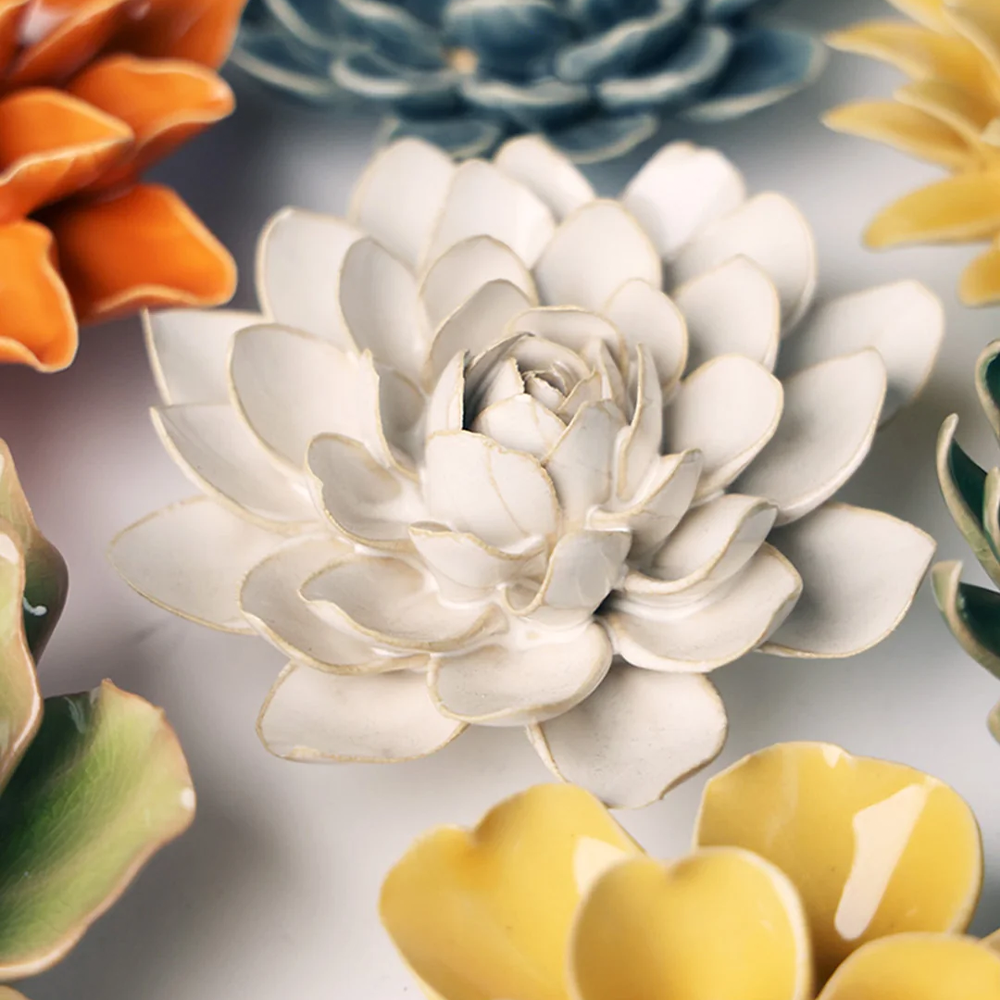
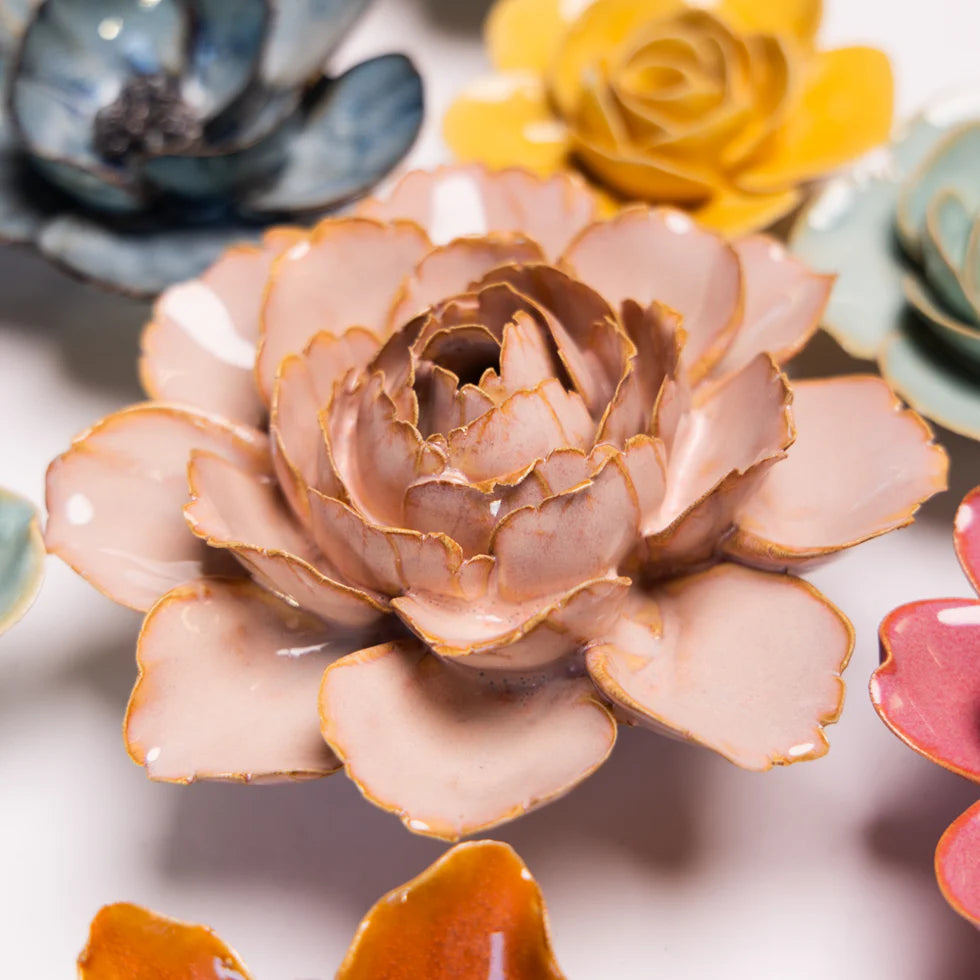
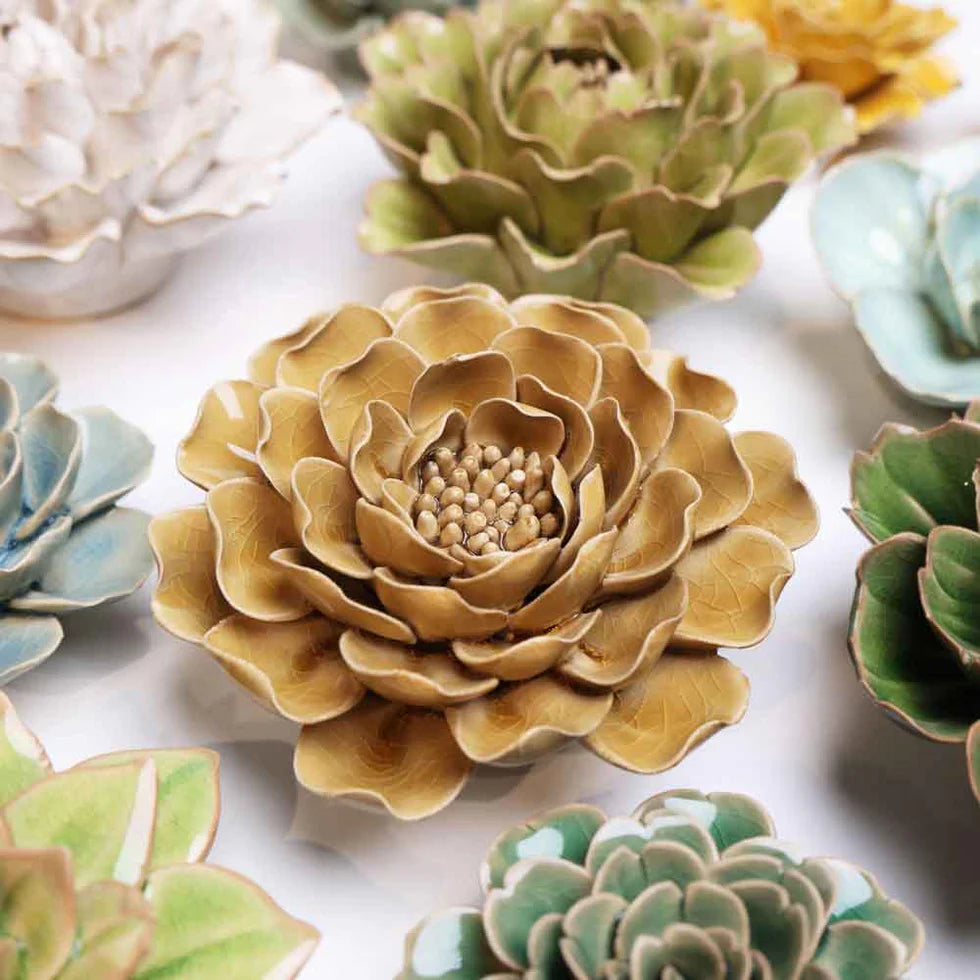
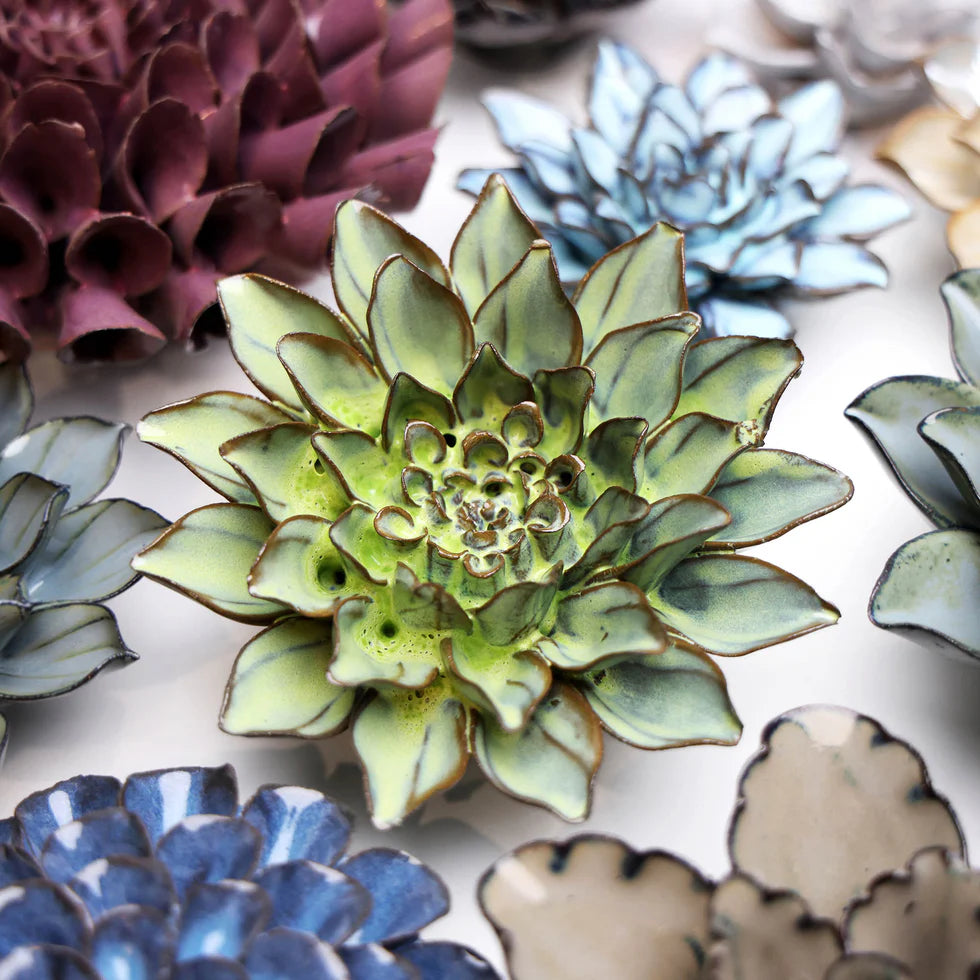
Seeds ask for patience; Chive's ceramic wall flowers are in bloom the moment they are unwrapped, designed in the same studio since 2004.

The credentials behind the packet

Chive Studio started as a ceramics workshop and grew, one collection at a time, into seeds, vases, and everything else now carrying its name. Shido Seeds is the newest branch of that same tree, built on the belief that a seed packet deserves the same attention to material and design as a ceramic vase does. That is why every variety, tomatoes included, ships vacuum-sealed rather than paper-packed, and why the packaging is illustrated rather than merely printed.

Frequently asked questions

How do you grow Cherry Roma tomatoes?

Cherry Roma grows in full sun in rich, well-drained soil with deep, even watering. Plant it deep at transplant, stake or cage it tall, and remove lower leaves that touch the soil.

Is Cherry Roma a cherry or a paste tomato?

Both, in effect. The fruit is a small, plum-shaped 1 to 2 inch tomato with meaty, low-seed flesh, which makes it behave like a paste tomato in a cherry-sized package.

How long does Cherry Roma take to produce fruit?

Expect roughly 70 to 75 days from transplant. Start seeds indoors 6 to 8 weeks before the last frost and transplant once the soil reaches 60°F.

What is Cherry Roma tomato used for?

Fresh eating, oven-drying, slow roasting, and quick sauce. The dense flesh and low seed count mean the fruit holds together and cooks down faster than a round cherry.

How do you know when Cherry Roma tomatoes are ripe?

Pick when the fruit has colored fully and gives slightly. Fruit ripens in trusses over several weeks, so pick regularly through the season.

How long do Cherry Roma tomato seeds last?

Vacuum-sealed Shido Seeds packets stay viable for up to 10 years when stored properly, compared to roughly one year for a standard paper seed packet. Storing unused packets somewhere cool and dry helps preserve that extended shelf life.

How tall does Cherry Roma grow?

Plants are indeterminate and reach about 5 to 7 feet over the season, so plan for a tall stake, cage, or trellis.

Are these seeds lab-tested for germination?

Yes. Every Shido Seeds packet, Cherry Roma included, is germination-tested at independent third-party labs before it ever reaches a shelf.

The seed is the start. Verte RX handles the rest.

Most seedlings fail not from bad seed but from soil that runs out of what the plant needs before the plant can find it. Verte RX is a liquid plant vitamin formulated for exactly that window — the weeks after germination when the root system is establishing and the margin between thriving and stalling is narrowest.