Black Magic Kale Vegetable Seeds Packet

SKU: SEBKMK

Pre-order · Shipping January 10, 2027
Regular price $2.35

2025 Seed Prices

  • Order 1-95 assorted packets for $2.35 each
  • Order 96-499 assorted packets for $1.85 each
  • Order 500 or more assorted packets for $1.65 each
Vacuum Sealed
NON-GMO
Seed Pack Guarantee

Build Your Garden With These Shido Seeds

Choose a seed packet as your starting point, then round out the bed with these for that thrown-together-but-somehow-perfect harvest.


Barcode: 843458169550

Seed specifications
  • Material: Seed
  • Botanical name: Brassica oleracea var. palmifolia
  • Genus: Brassica
  • Plant family: Brassicaceae
  • Species: Oleracea
  • Plant type: Biennial grown as annual
  • Pollination type: Vegetable
  • USDA Hardiness Zones: 2-10
  • Packet contents: ≈ 30 Seeds
  • Packaging: Hermetically vacuum-sealed
  • Non-GMO: Yes
  • Seed viability: Up to 10 years (sealed) / 4–5 years (unsealed, ideal conditions)
  • Difficulty: Easy - Beginner Friendly
Sowing & growing guide

Quick Sowing Guide:

  • When to sow: Start indoors 6-8 wks before last frost or direct sow 2-4 wks before; sow again midsummer for fall/winter
  • Sowing depth: 1/2 in
  • Initial spacing: 12-18 in
  • Row spacing: 18-24 in
  • Days to germination: 5-10 days
  • Light: Full sun to part shade
  • Water: Regular, even moisture
  • Soil: Rich, well-drained loam, pH 6.0–7.5
  • Harvest: 65-80 days

Start Growing: Step-by-step sowing and growing guide

About vacuum sealing

Why Vacuum-Sealed Seeds Last Longer

Standard paper seed packets are permeable to oxygen and moisture -- the two primary causes of seed degradation. Most paper-packaged seeds begin losing germination viability after approximately one year, contributing to significant garden-industry waste: packets purchased, not planted, expired, discarded. Shido Seeds are hermetically vacuum-sealed. The packet does not expire quietly in a drawer. It waits.

About the Packaging

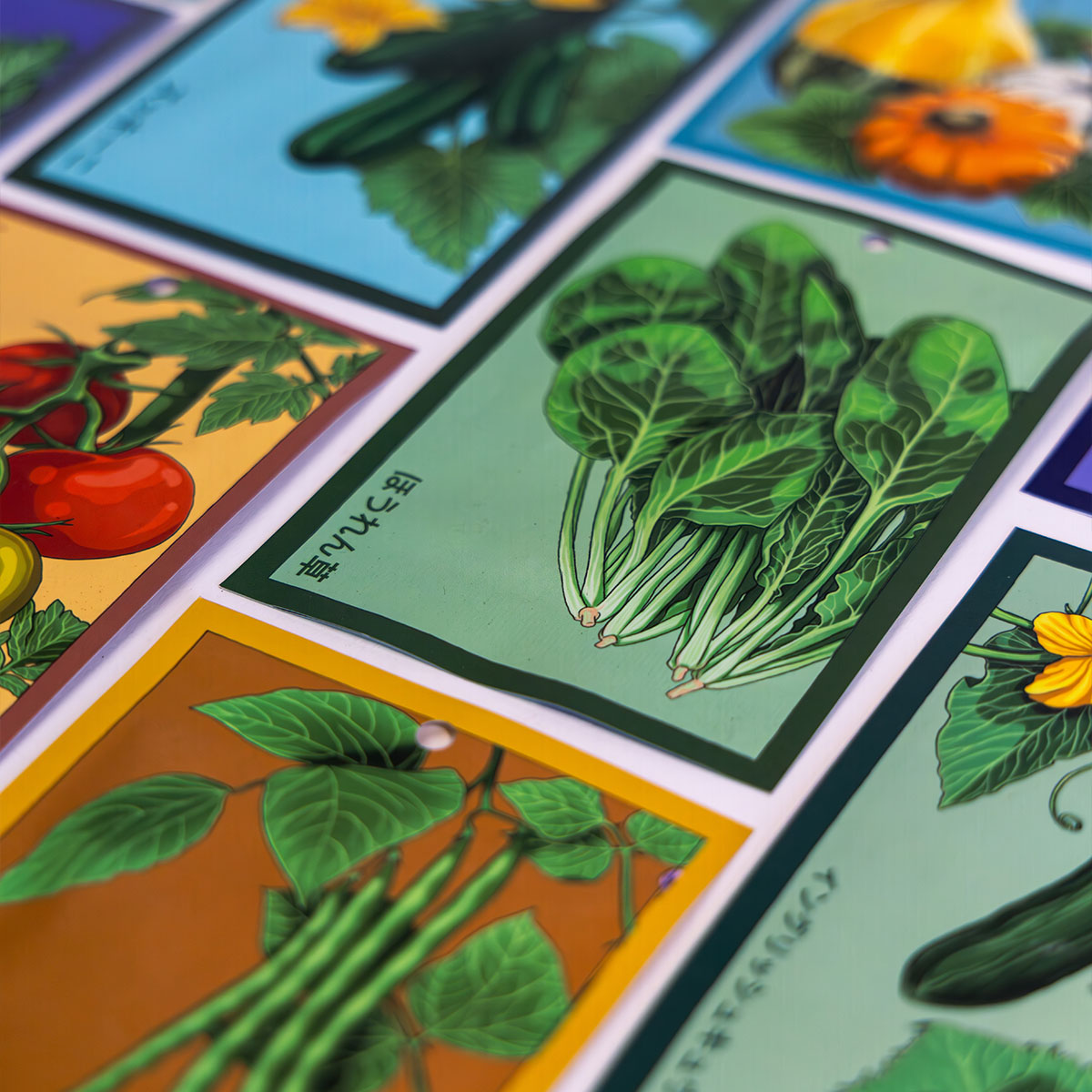
Every Shido seed packet is illustrated in the style of Japanese 1910s woodblock printing -- designed and drawn in-house by Chive, that has been exhibiting at the Chelsea Flower Show in London every year and does not, as a matter of principle, sell to big-box retailers. Customers collect the packets as a series. This was not the original plan.

Satisfaction Guarantee

We stand by the quality of our flower seed packets! Every Shido seed packet is lab-tested for germination before it ships. If your seeds do not perform to the stated germination rate under correct growing conditions, contact us and we will replace or refund. Guaranteed!

Horticultural Specifications

Botanical

Brassica oleracea var. palmifolia

Plant Type

Biennial grown as annual

Light

Full sun to part shade

Water

Regular, even moisture

Soil

Rich, well-drained loam, pH 6.0–7.5

Depth

1/2 in

Germination

5-10 days

USDA Zone

2-10

Mature Height

24-36 in

Harvest

65-80 days


Getting to know your Black Magic

Black Magic is a lacinato kale, the long, blue-black, savoyed type grown in Tuscany for centuries and sold as Tuscan kale, cavolo nero, or dinosaur kale. This is an improved selection, more uniform and more upright than the older Nero di Toscana strain, and slower to bolt. The leaves sweeten noticeably after the first frost, so a midsummer sowing for fall harvest pays off. Harvest the lower leaves as the palm-like plant climbs, and massage raw leaves with a little oil and salt to soften them for salad. Cabbage moths find it too, so row cover goes on early.


History & origin

Tuscany

Black Magic is a lacinato kale, a type also called Tuscan kale, cavolo nero, or dinosaur kale, named for its dark, savoyed, palm-like leaves and long grown in Tuscany.

An Improved Selection

Black Magic is a more uniform, more upright selection of the lacinato type, slower to bolt than the older Nero di Toscana strain.

Today

Grown for its blue-black leaves, cold hardiness, and flavor that sweetens after frost.

Step-by-Step Sowing & Growing Guide

Getting Started

Biennial grown as annual, start indoors

Step 1: Timing - Start indoors 6-8 wks before last frost or direct sow 2-4 wks before; sow again midsummer for fall/winter.

Step 2: Soil - Rich, well-drained loam, pH 6.0–7.5.

Step 3: Sowing - 1/2 in deep. Germination takes 5-10 days at 45-85°F.

Step 4: Spacing - Thin or transplant to 12-18 in apart in rows 18-24 in apart.

Step 5: Care - Full sun to part shade; regular, even moisture.

Step 6: Harvest - 65-80 days. Black Magic is a lacinato (dinosaur) kale — the savoyed blue-black leaves sweeten noticeably after the first frost, so plan a fall crop.

Before you start

Materials needed to sow

  • Seed trays or small pots: For an optional indoor start 6-8 weeks before the last frost; kale also direct sows well.
  • Seed-starting mix: A fine, sterile mix reduces damping-off.
  • Grow light: Keeps seedlings short and sturdy.
  • Floating row cover: Keeps flea beetles and cabbage moths off young plants.
  • Plant labels: Useful for tracking spring and midsummer sowings.

Materials for harvest and storage

  • Scissors or pruning snips: Cut leaves at the stem rather than tearing, which protects the growing point.
  • Basket or bowl: For collecting leaves.
  • Produce bags: Refrigerate unwashed leaves for up to a week.

Tip: Pick the lower leaves first and let the palm-like crown keep growing. Leaves sweeten noticeably after the first frost.

Growth Requirements

Light:

  • Prefers full sun, tolerates part shade.

Soil:

  • Rich, well-drained loam, pH 6.0-7.5, with compost worked in before planting.

Watering:

  • Requires regular, even moisture, about 1 inch per week.
  • Mulch helps hold moisture and keeps soil cool.

Temperature & Climate:

  • Cool-season crop that grows well at 55-75°F.
  • Very hardy; tolerates frost well, and flavor sweetens after cold weather.

Fertilization:

  • Kale is a heavy feeder; work in compost at planting and side-dress with a nitrogen-rich fertilizer mid-season.

Maintenance

Thinning:

  • Thin or space plants to 12-18 inches apart; thinnings are edible as baby greens.

Mulching:

  • Apply mulch to keep soil cool and moist, and to suppress weeds.

Pest Protection:

  • Cover with floating row cover from planting to exclude cabbage moths and flea beetles.

Watering:

  • Keep soil evenly moist; avoid overhead watering late in the day.

Harvesting:

  • Pick the lower leaves first, leaving the growing point so the plant keeps producing.
  • Harvest after frost for the sweetest flavor.

Storing:

  • Store unwashed leaves in a bag in the refrigerator for up to a week, or blanch and freeze for longer.

Troubleshooting and common mistakes

  • Expecting a spring-only crop: leaves sweeten after frost, so a midsummer sowing for fall harvest is worth planning
  • Letting cabbage moths in: cover young plants with row cover early
  • Harvesting from the top: take the lower leaves and leave the growing point so the plant keeps producing

Culinary uses & nutritional information

What it's used for

1. Culinary Applications:

  • Raw in salads after massaging with oil and salt
  • Braised or sauteed with garlic
  • Baked into crisp kale chips
  • Added to soups and beans, where the sturdy leaves hold their texture

2. Nutritional Benefits:

  • Rich in vitamin C and folate
  • Fiber and potassium in typical kale ranges
  • Low in calories relative to its nutrient density

3. Garden Uses:

  • Blue-black, savoyed leaves that look good in an ornamental bed
  • Very cold hardy, so harvest continues into winter
  • Climbing palm-like crown adds height to a vegetable bed

4. Practical Benefits:

  • Cut-and-come-again harvest from the lower leaves
  • Sweetens after frost, which extends the useful season
  • Worth planning for: row cover against cabbage moths

What parts are edible

  • Leaves: The primary edible part: blue-black, savoyed leaves used raw in salads after massaging with oil and salt, or braised, sauteed, and baked into chips.
  • Young leaves: Baby leaves from thinning are tender enough for salads.
  • Flower shoots: If plants overwinter and flower, the tender shoots are edible like broccoli raab.

Nutritional data

Kale, raw, per 100g (USDA reference value for kale; USDA's newer Foundation data list somewhat lower values for some nutrients)

Calories: 49 kcal

  • Carbohydrates: 8.75 g
  • Protein: 4.28 g
  • Total fat: 0.93 g
  • Dietary fiber: 3.6 g
  • Vitamin C: 120 mg (133% RDA)
  • Folates: 141 µg (35% RDA)
  • Potassium: 491 mg
  • Cholesterol: 0 mg

Companion plants, pests & diseases

Companion planting

Good companions

  • Onions, garlic: the scent may help deter some brassica pests
  • Beets, celery: low competition for space and nutrients
  • Sage, thyme, rosemary, dill: aromatic herbs may help confuse cabbage moths and attract beneficial insects

Poor companions / avoid

  • Other brassicas: share the same pests and clubroot pressure, so problems build up
  • Strawberries: reported to compete with kale

Pests

  • Cabbage worms and loopers: green caterpillars that chew holes in leaves; handpick, cover with row cover, or treat with Bt
  • Aphids: cluster in leaf folds and curls, especially on crinkled types; strong water spray or insecticidal soap
  • Flea beetles: tiny shot-holes in young leaves; row cover prevents most damage

Diseases

  • Black rot: yellow V-shaped lesions from leaf edges; use clean seed, rotate crops, and avoid overhead watering
  • Downy mildew: yellow patches with gray fuzz underneath in cool, damp weather; improve airflow
  • Clubroot: swollen, distorted roots in acidic soil; keep pH near neutral and rotate away from brassicas for several years

Pro Tip

Sow Black Magic in early spring or midsummer and harvest the lower leaves as the palm-like plant climbs. It is an improved lacinato selection: more uniform, more upright, and slower to bolt than the old Nero di Toscana strain.

Bonus: Massage raw leaves with a little oil and salt to soften them for salad.

Seeds worth keeping

What makes Shido Seeds different

Shido Seeds are designed by Chive Studio, a ceramic design company. We are not a seed conglomerate. We do not sell through big-box retailers. Each variety in the catalog was selected because it is worth growing — not because it ships well in bulk or photographs well in marketing materials.

Every packet is germination-tested at an independent third-party lab before it earns its woodblock illustration. The vacuum seal removes the oxygen that causes standard paper packets to degrade. The stated germination rate is a floor, not a marketing figure.

If something goes wrong, contact us. We will make it right.

Plants that Grow together look good together...even if they are ceramic
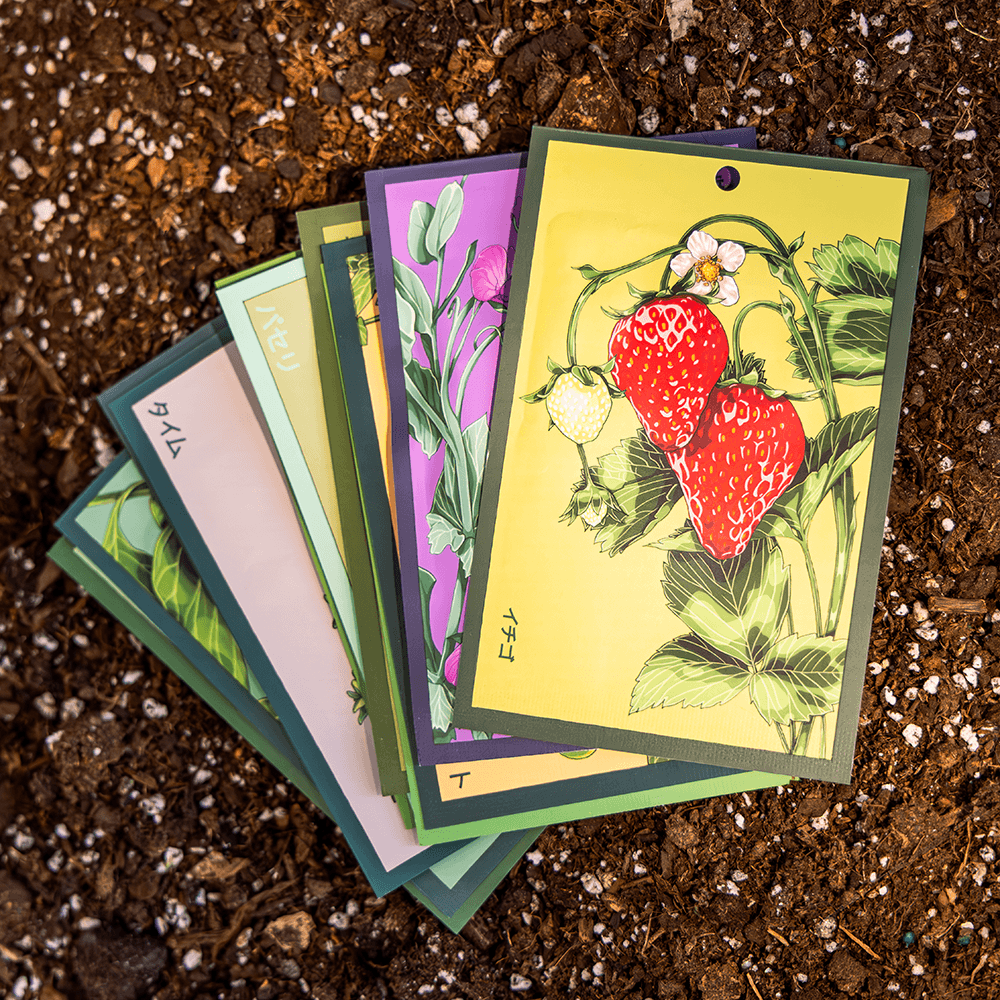
Set of Chive Shido Seeds packets with fruit and flower illustrations on a soil background.

Grow It With Scarlet Kale

For a frilled red kale to grow beside it, Scarlet Kale is a natural companion in the same growing season.

Vegetable Shido Seeds packets — Chive US Wholesale

The Rest of the Vegetable Garden

Browse Shido's vegetable seed lineup for every other crop that shares a bed, a season, or a trellis with this one.

Flowers That Never Need Watering

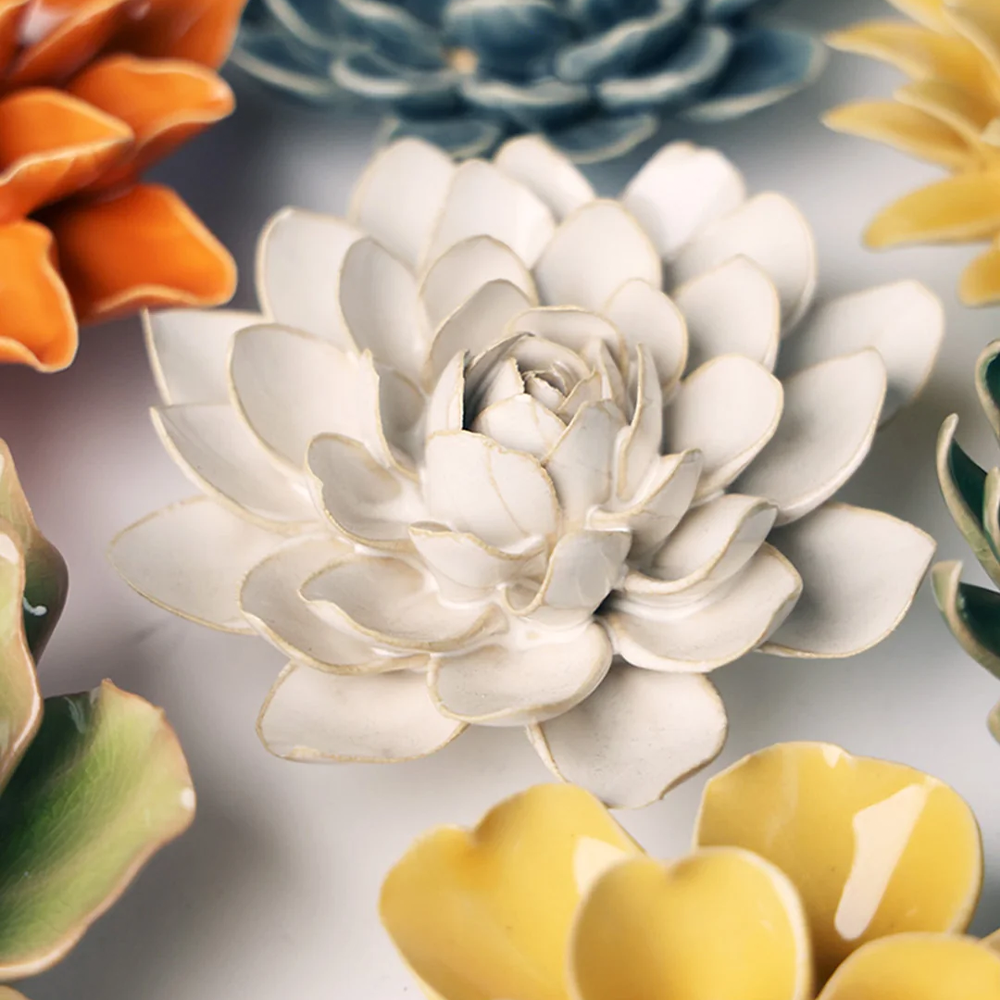
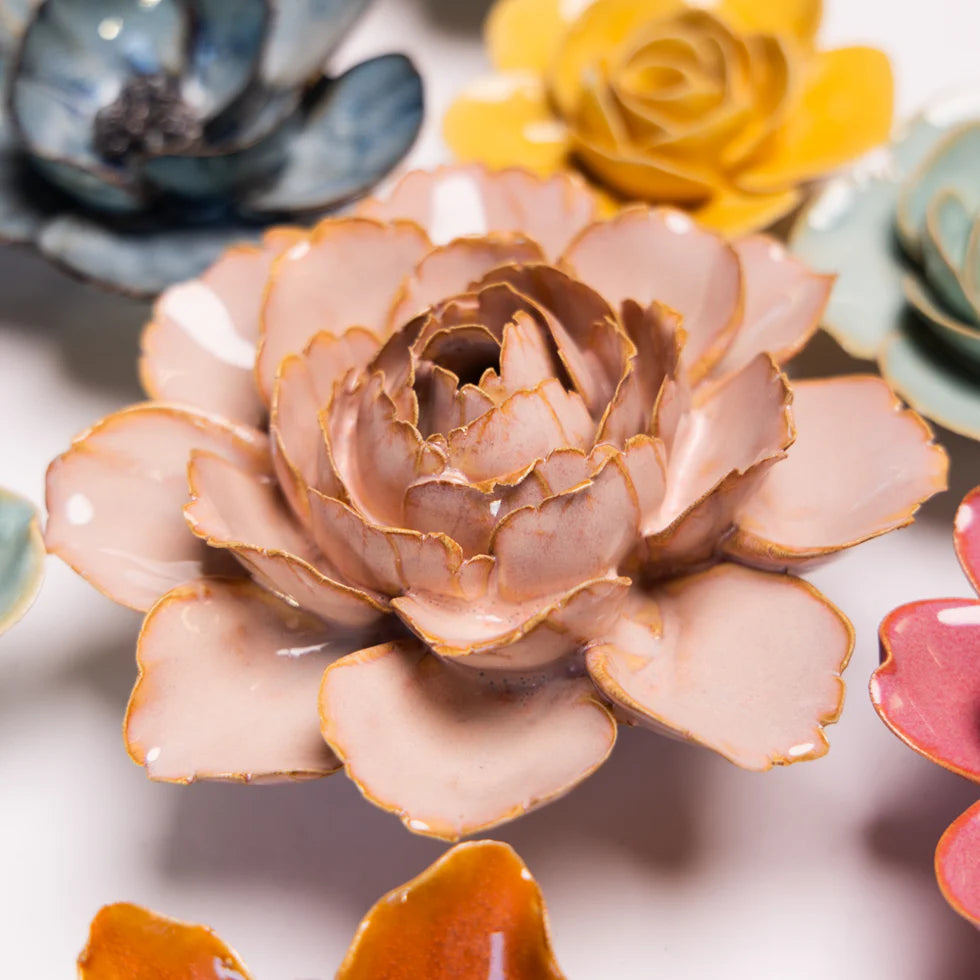
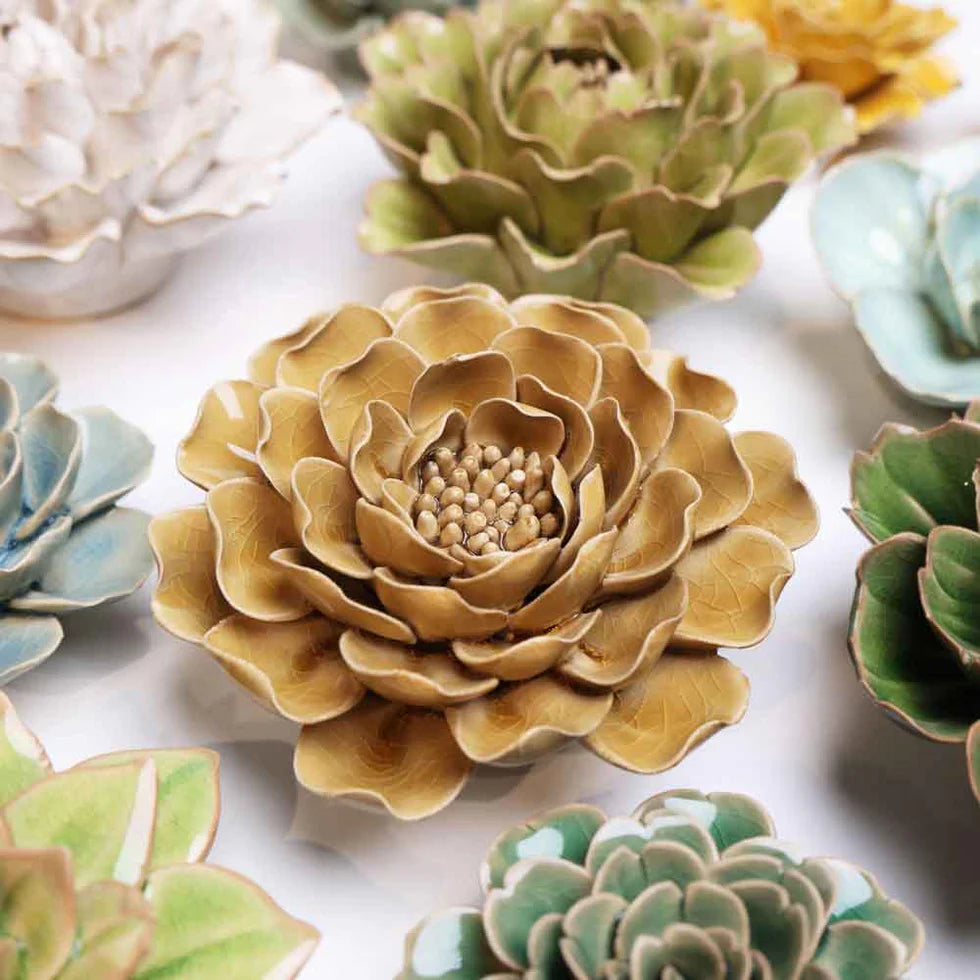
Seeds ask for patience; Chive's ceramic wall flowers are in bloom the moment they are unwrapped, designed in the same studio since 2004.

The credentials behind the packet

Chive Studio started as a ceramics workshop and grew, one collection at a time, into seeds, vases, and everything else now carrying its name. Shido Seeds is the newest branch of that same tree, built on the belief that a seed packet deserves the same attention to material and design as a ceramic vase does. That is why every variety, kale included, ships vacuum-sealed rather than paper-packed, and why the packaging is illustrated rather than merely printed.

Frequently asked questions

How do you grow Black Magic kale?

Sow in early spring or midsummer in rich, well-drained soil in full sun to part shade. Space plants 12 to 18 inches apart, water evenly, and harvest the lower leaves as the plant climbs.

What is Black Magic kale?

A lacinato kale, also called Tuscan, dinosaur, or cavolo nero. The leaves are long, blue-black, and savoyed, and it is an improved selection that is more uniform and slower to bolt than the older Nero di Toscana.

When should I plant Black Magic kale?

Sow in early spring and again in midsummer for a fall and winter crop. Start indoors 6 to 8 weeks before the last frost or direct sow 2 to 4 weeks before.

Does frost make Black Magic kale sweeter?

Yes. Cold weather pushes the plant to convert starches to sugars, so leaves taste noticeably sweeter after the first frost.

How do you eat Black Magic kale raw?

Strip the stems, slice the leaves thin, and massage them with a little oil and salt to soften them for salads.

How long do Black Magic kale seeds last?

Vacuum-sealed Shido Seeds packets stay viable for up to 10 years when stored properly, compared to roughly one year for a standard paper seed packet. Storing unused packets somewhere cool and dry helps preserve that extended shelf life.

How long does Black Magic kale take to mature?

Roughly 65 to 80 days from sowing, though baby leaves can be picked sooner.

Are these seeds lab-tested for germination?

Yes. Every Shido Seeds packet, Black Magic included, is germination-tested at independent third-party labs before it ever reaches a shelf.

The seed is the start. Verte RX handles the rest.

Most seedlings fail not from bad seed but from soil that runs out of what the plant needs before the plant can find it. Verte RX is a liquid plant vitamin formulated for exactly that window — the weeks after germination when the root system is establishing and the margin between thriving and stalling is narrowest.